
Explaining a concept back reveals real understanding
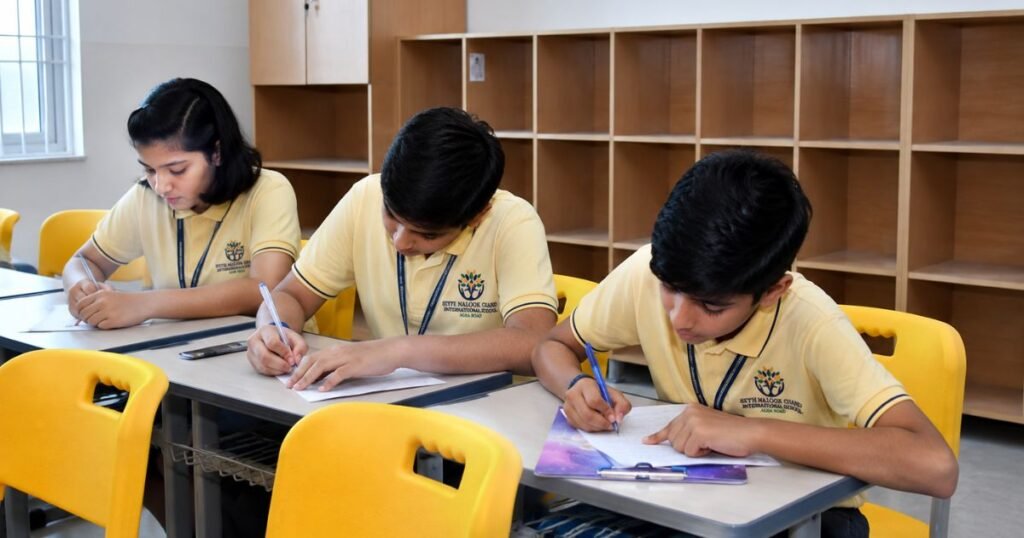
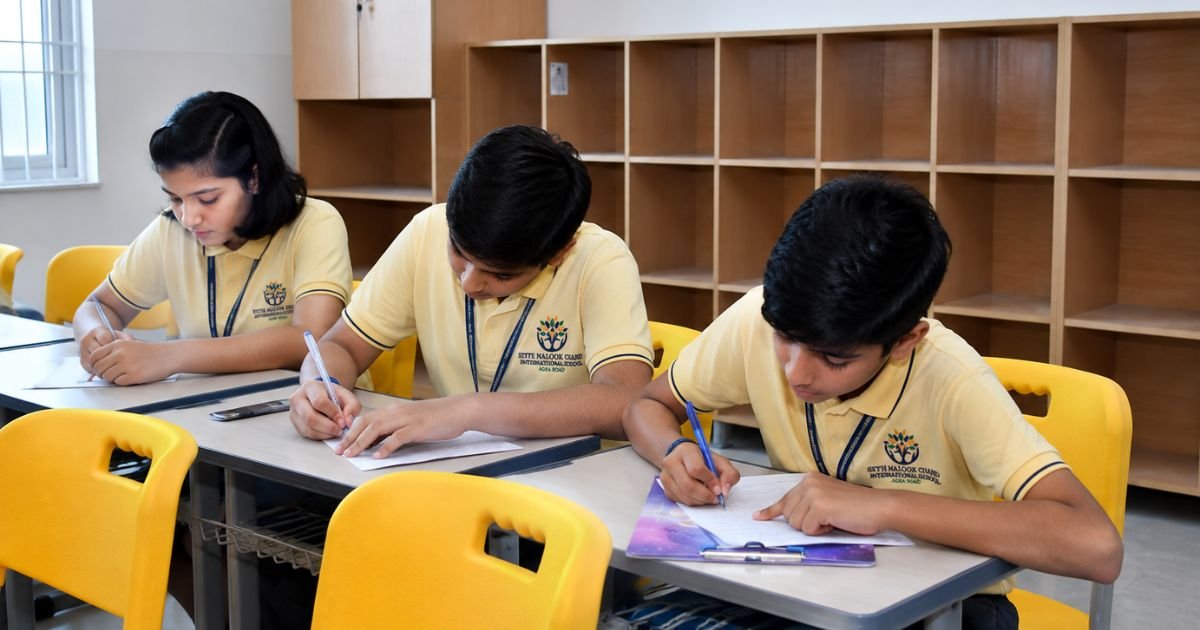
When a student who has grasped a concept explains it to a peer who is still struggling, the explaining student often notices gaps in their own understanding they had not seen before, while the struggling student benefits from hearing the same idea framed in a peer’s language rather than only a teacher’s. SMCIS structures opportunities for this kind of paired or small-group teaching within regular lessons, particularly in math and science, where concept gaps are easiest to spot through this process.
Small-group work that actually distributes responsibility
Group projects at SMCIS are structured to avoid the common failure mode where one motivated student does most of the work while others coast, connecting to the rotating leadership and responsibility practices discussed separately. Teachers actively monitor group dynamics and adjust group composition or task structure when one student’s contribution is consistently lopsided relative to the rest of the group.
Mixed-ability grouping used deliberately
Rather than always grouping students by similar ability level, SMCIS teachers frequently use mixed-ability groupings deliberately, since a stronger student benefits from the deeper understanding built through teaching, while a student needing more support benefits from a peer explanation delivered at a level and pace a teacher managing a full classroom cannot always provide individually.
Building social skill alongside academic skill
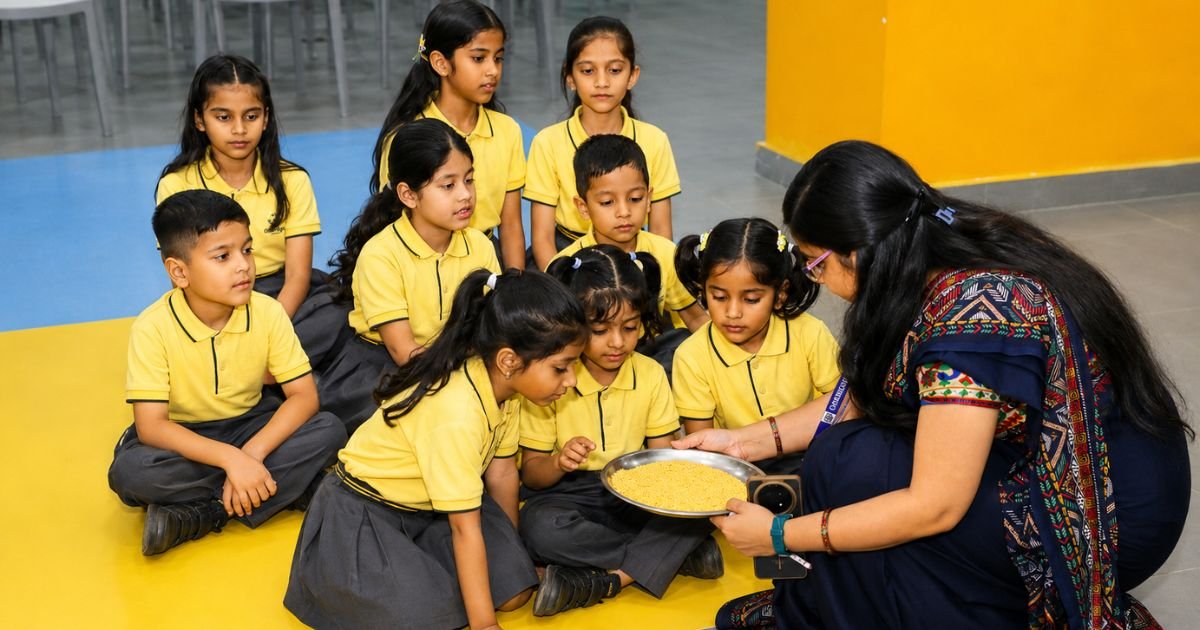
Peer learning naturally builds the collaborative approach named among the SMCIS school’s core values, patience with a struggling peer, clear communication of an idea, and the discipline of staying on task within a group setting without constant direct teacher supervision, skills that connect directly to the collaborative habits built through team sports and group performance work covered elsewhere.
Why peer learning does not replace direct teaching
SMCIS uses peer learning as a complement to direct instruction, not a substitute for it. A teacher still introduces and explains core content directly, since peer learning works best when reinforcing and deepening material students have already encountered, rather than as the primary vehicle for introducing genuinely new concepts from scratch.
What this looks like across different grade levels
Younger students practice simpler forms of peer collaboration, paired reading, shared activity work, building foundational comfort with working alongside a classmate. Older students take on more substantial peer teaching and structured group project responsibility, reflecting the increasing independence expected as SMCIS students move through junior wing and into senior secondary.