
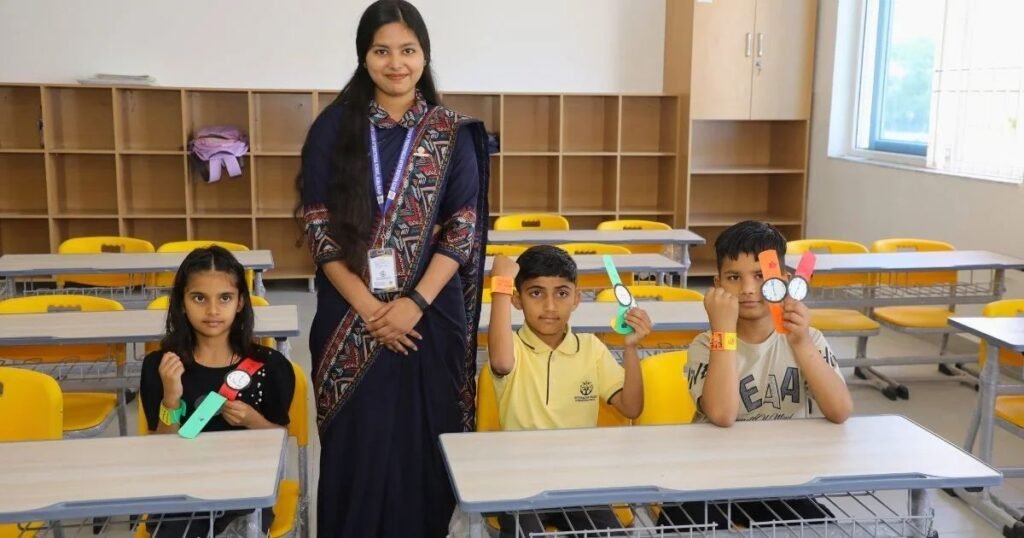
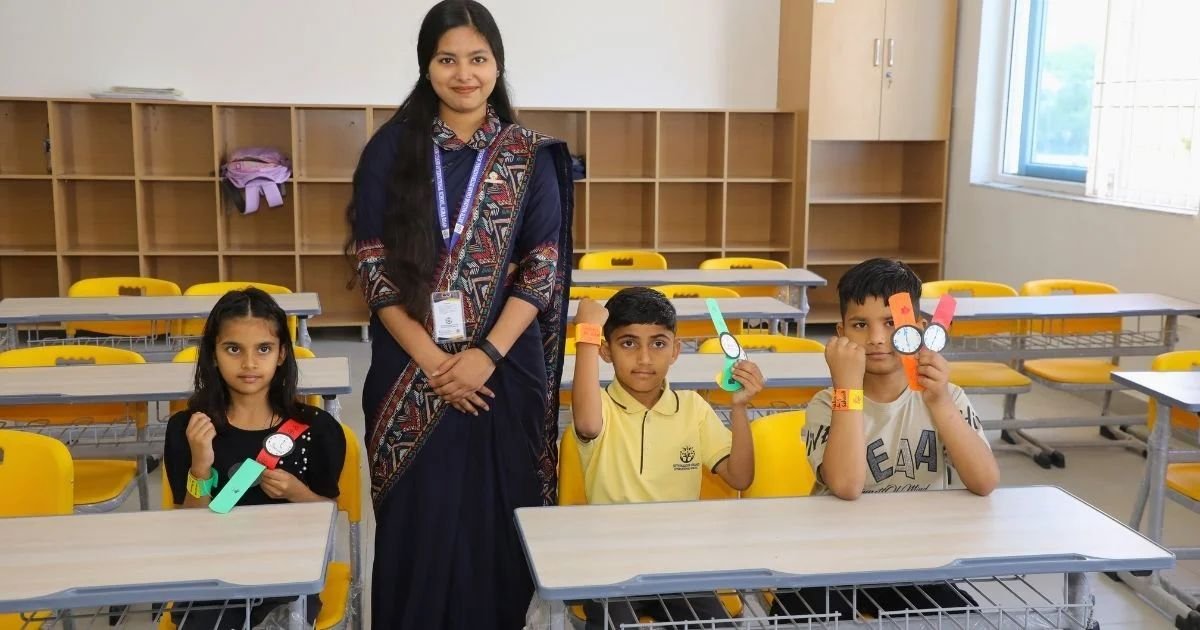
Turning value education into lived experience
The integrity, discipline, and collaborative values covered in the school’s value education program get a genuine testing ground through social responsibility projects, where a SMCIS student practices those same principles in a context that carries actual consequences for other people, not just an abstract classroom exercise or hypothetical scenario.
Age-appropriate community engagement
Younger students typically engage with social responsibility through smaller, guided activities, collection drives, simple awareness campaigns within the school community, structured around what a child that age can genuinely understand and contribute to meaningfully. Older students take on more substantial projects, connecting with organizations or causes in the broader SMCIS Sasni and Hathras community, with greater independence and responsibility as they mature.
Connecting to the founder’s own legacy
This emphasis on social responsibility connects directly back to the founder’s own history of working selflessly for the welfare of society throughout his life, discussed in detail elsewhere in the school’s founding story. Building genuine community engagement into SMCIS student life is, in a real sense, the school actively passing forward the same value that shaped its own founding, not simply an unrelated modern addition to the curriculum.
Building empathy through direct exposure
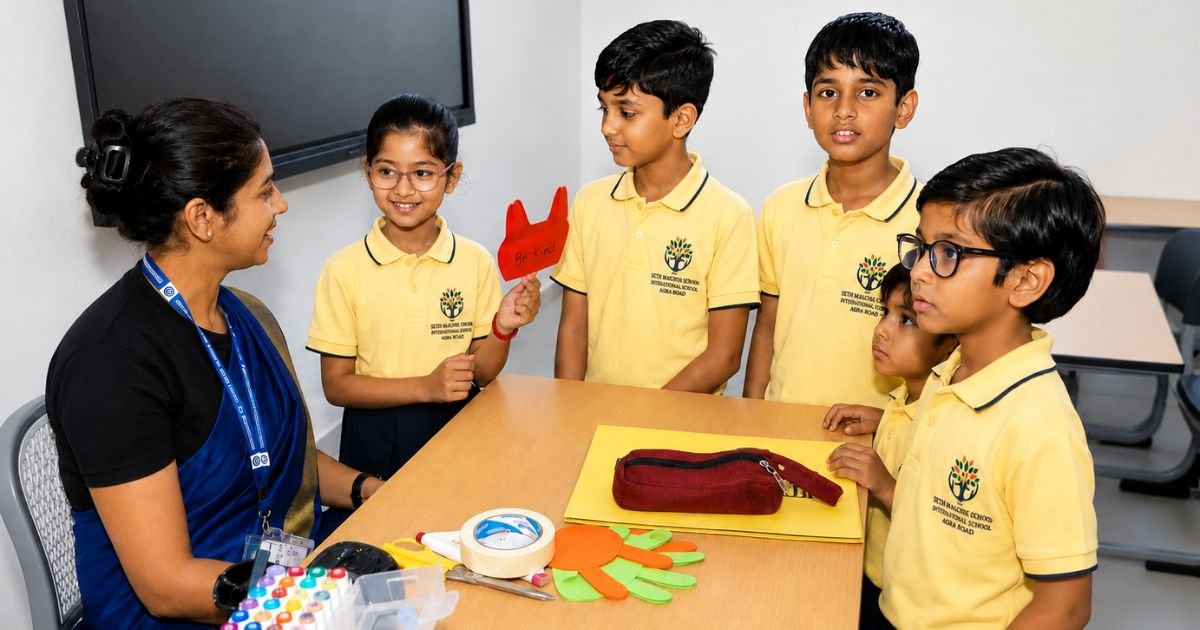
Structured social responsibility work exposes students directly to circumstances and needs different from their own daily experience, building a kind of empathy that is difficult to develop purely through classroom discussion. A SMCIS student who has participated in an actual community project understands need and contribution in a more grounded, personal way than one who has only read or heard about it.
How this connects to character development broadly
Social responsibility work reinforces several of the SMCIS school’s core stated values at once, collaborative approach through group project coordination, intercultural sensitivity through engagement with the broader diverse regional community, and integrity through the genuine responsibility of following through on a community commitment made to people outside the immediate school environment.
Why this matters for a student’s long-term development
Students who build a genuine habit of community engagement during their school years carry that habit forward into adulthood far more reliably than those who first encounter the concept later in life. SMCIS treats these early, structured experiences as foundational, building a lasting orientation toward contribution rather than a one-time school requirement forgotten after graduation.