
Timetabling that protects core academic time
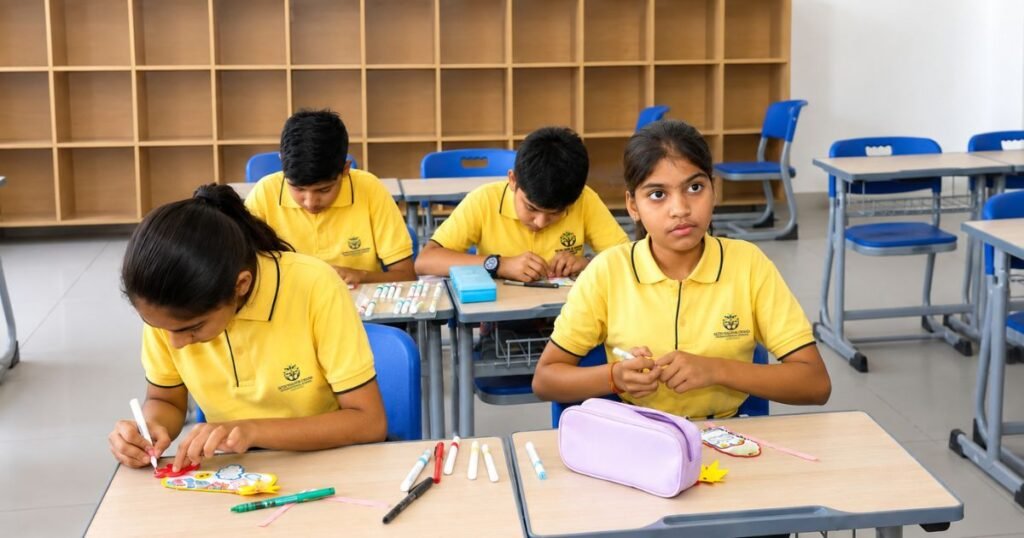
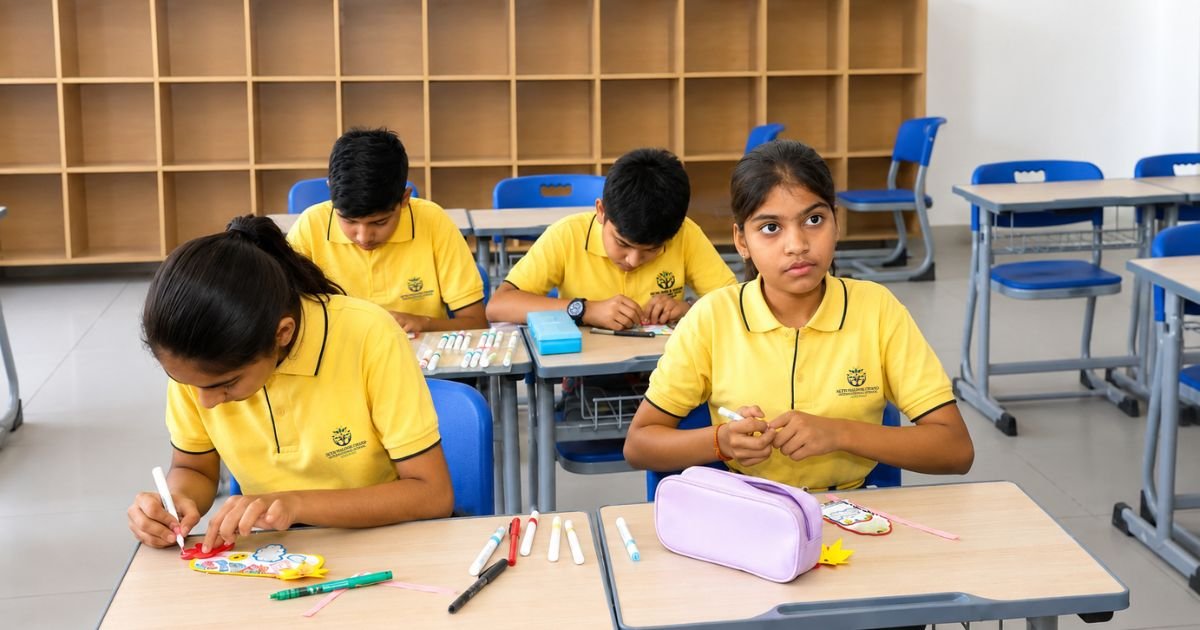
Core subject instruction at SMCIS runs through protected periods within the daily schedule, ensuring math, science, language, and social science each receive the consistent instructional time CBSE’s curriculum genuinely requires, discussed elsewhere in how the school approaches curriculum pacing. Co-curricular activities are scheduled around this core academic backbone, not competing directly against it for the same time slots.
Why co-curricular time supports academics rather than draining it
Rather than viewing sports, music, and art purely as time taken away from academics, research on child development consistently shows that regular physical activity and creative engagement support cognitive function and focus during academic periods, discussed briefly in the SMCIS school’s approach to sports infrastructure. A well-structured day with genuine variety tends to produce better academic engagement than one consisting purely of back-to-back academic periods with no break in format.
Avoiding overload during exam-heavy periods
During board exam preparation periods for senior secondary students, SMCIS does adjust the balance, giving academic revision priority while scaling back, though not eliminating entirely, co-curricular time commitments, reflecting a realistic understanding that exam-critical periods genuinely need more concentrated academic focus without abandoning physical activity and creative outlets entirely, since eliminating them completely tends to increase stress rather than reduce it.

Individual flexibility within the general structure
Students with particular strengths or serious competitive ambition in a specific sport or creative pursuit, discussed in how SMCIS supports student competitions, sometimes need additional flexibility beyond the standard schedule, additional practice time balanced carefully against academic workload on a case-by-case basis rather than a rigid one-size-fits-all approach applied regardless of individual circumstances.
Why this balance matters for long-term student wellbeing
A schedule that treats co-curricular time as expendable whenever academic pressure increases teaches students that physical and creative activity is optional rather than genuinely valuable, a lesson that can contribute to burnout and an unhealthy relationship with academic pressure over time. SMCIS’s deliberate protection of both academic and co-curricular time reflects a longer-term view of student wellbeing rather than optimizing purely for short-term academic metrics.
What to ask any school about this balance
Ask specifically how a SMCIS school’s daily and weekly schedule actually allocates time between academics and co-curricular activity, and whether that balance holds steady across the year or gets abandoned entirely whenever academic pressure increases, since the answer reveals how genuinely the balance is valued versus treated as expendable.