

Aagaz Means a Beginning, and That Was the Point
Every school in Aligarh does something for Diwali. A rangoli competition, a diya decoration contest, sweets in the staff room. Seth Malook Chand International School chose a bigger idea and gave it a name. They called their school Diwali mela Aagaz, the Hindi word for a beginning.
Principal Mr. Vivek Dixit put the thinking behind it simply. Aagaz, he said, was never meant to be just a Diwali fair. It was an effort to share happiness, to give students a stage for their talents, and to keep Indian culture and traditions alive in a way children can actually feel. That is a lot to ask of one evening. From what parents and guests saw on the Sasni campus, it delivered.
Food Stalls, Decorations and a Campus That Felt Like a Fair
The ground was set out like a proper mela. Food stalls became one of the biggest draws, and parents who came for a quick look ended up staying for dinner with their children. Next to them were stalls of Diwali decorations and festive products, so families could finish a good part of their festival shopping without fighting the market crowds in town.
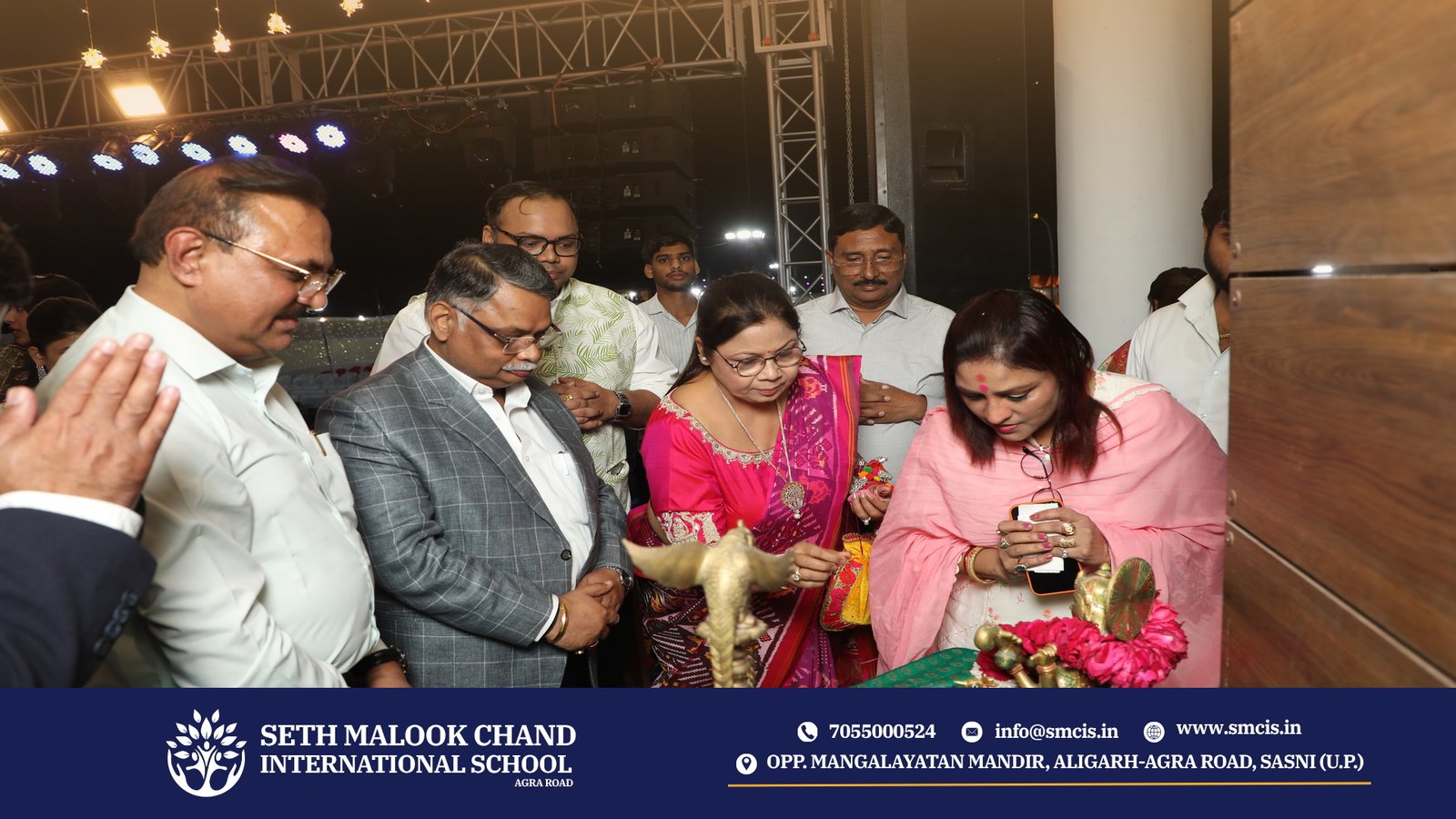
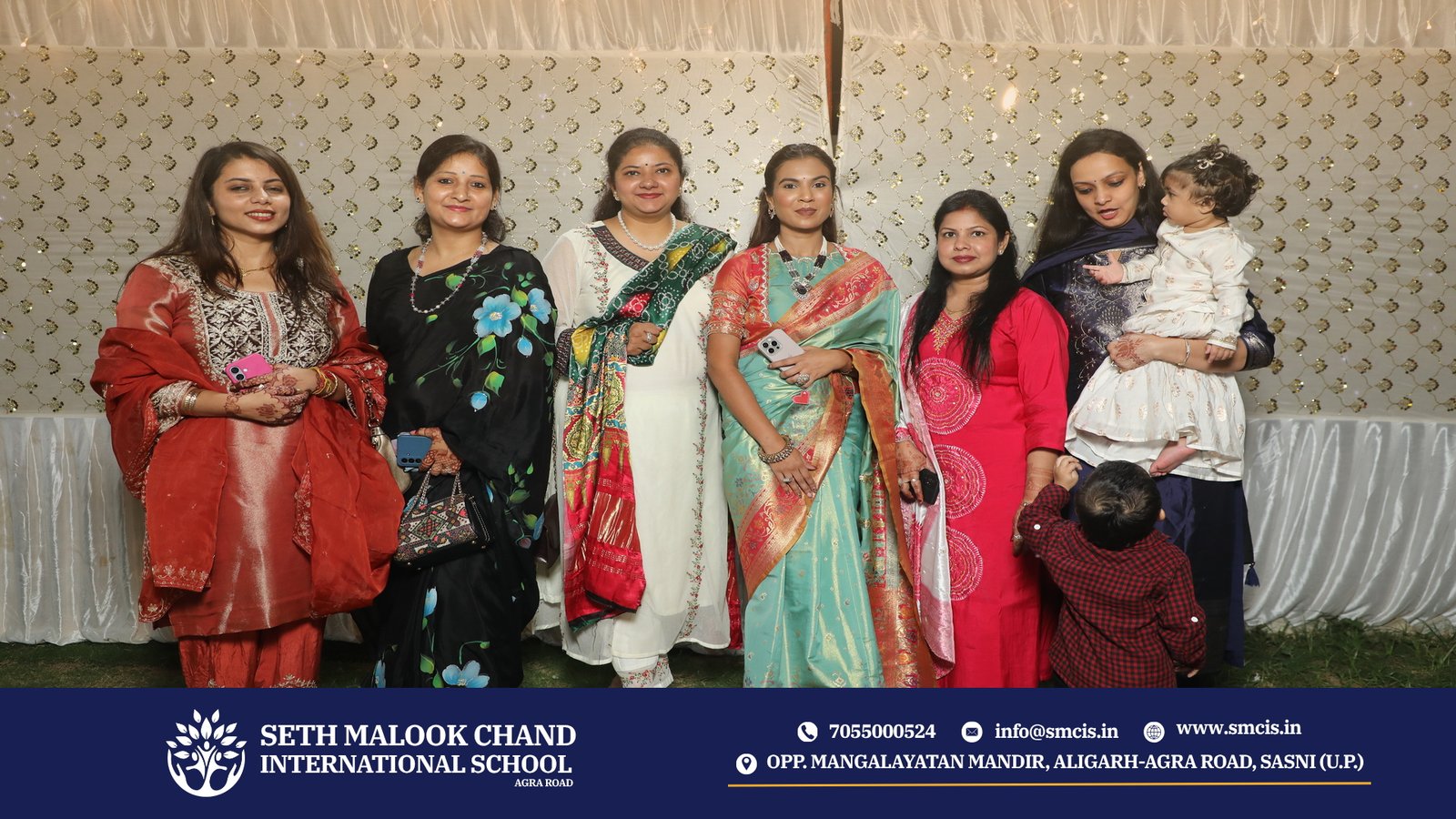
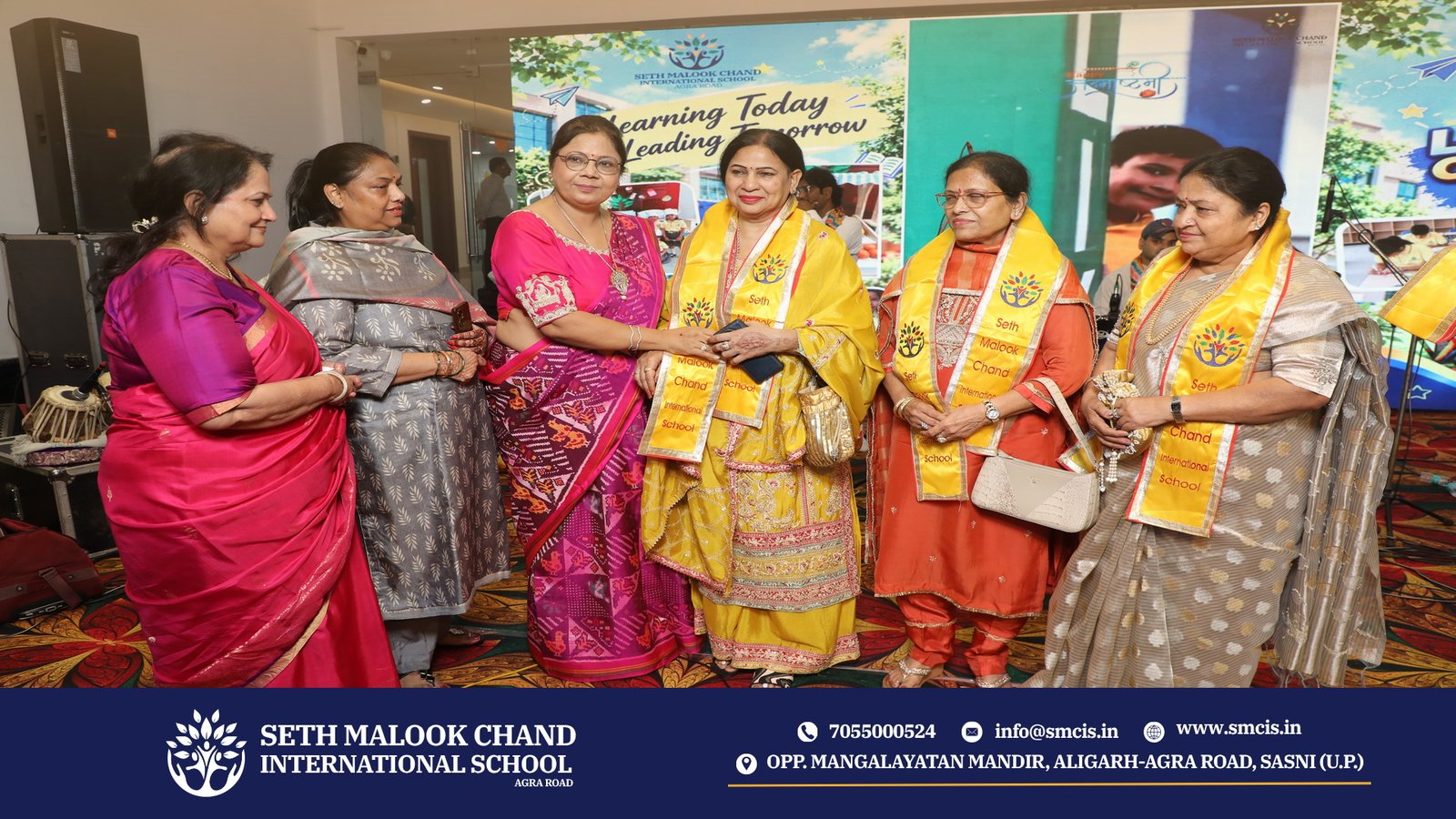
What made it feel different from a regular school function was the mix. Celebration, energy, devotion and fun all happened in the same space. Grandparents sat with tea while younger children ran between stalls. Parents and guests enjoyed the mela with their whole families, and for a few hours the entire campus felt like a festival ground rather than a school.
That matters more than it sounds. A child who sees their own parents relaxed and happy on the school campus starts to think of school as a place the family shares, not a building they are dropped off at.
Govind Sharma’s Bhajans Held the Crowd Until Late
The headline moment of Aagaz was the bhajan sandhya. Govind Sharma, the bhajan singer from Vrindavan, filled the evening with devotional songs, and the whole atmosphere shifted. Rows of listeners who had been chatting fell quiet, then started singing along.
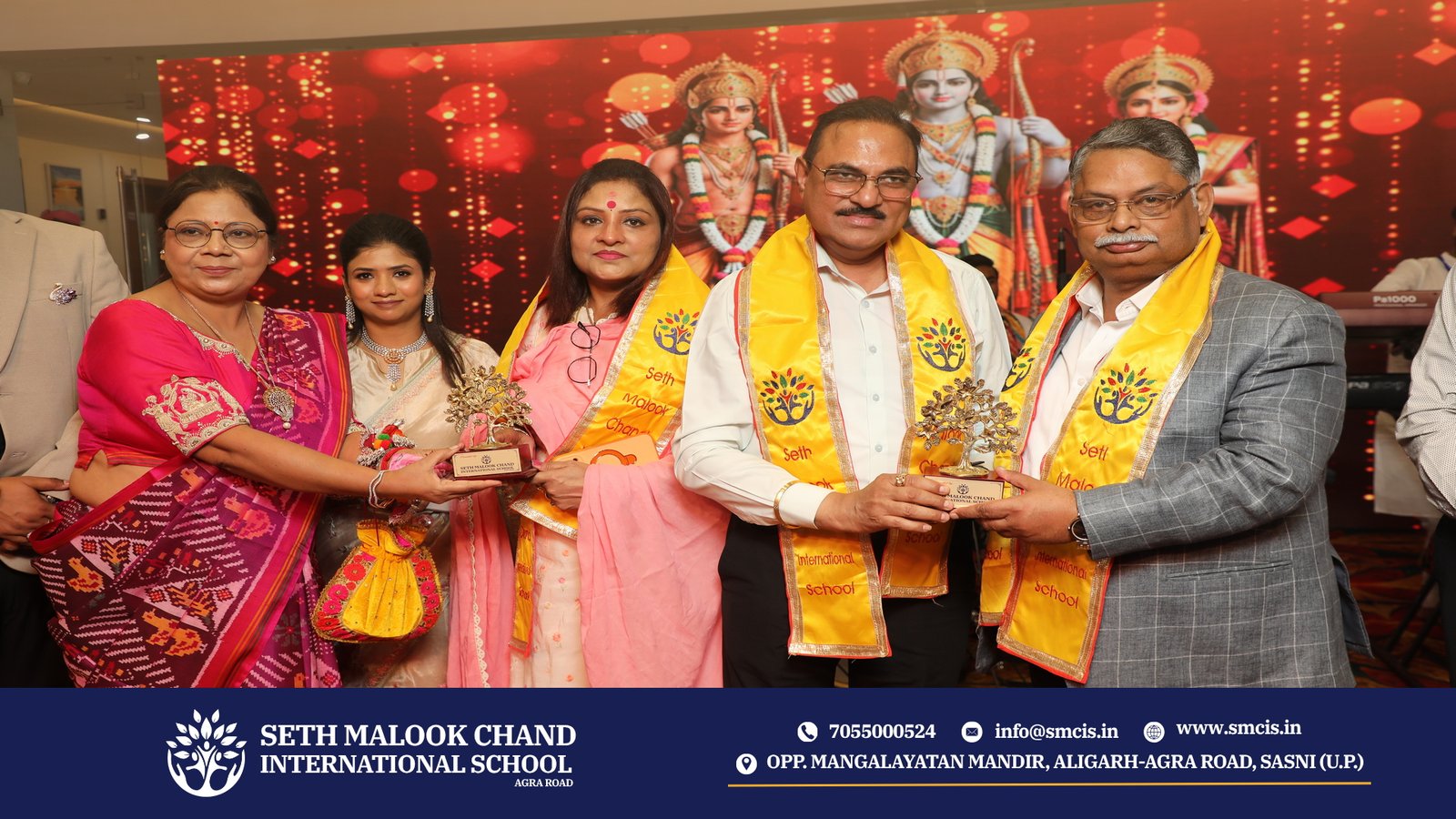
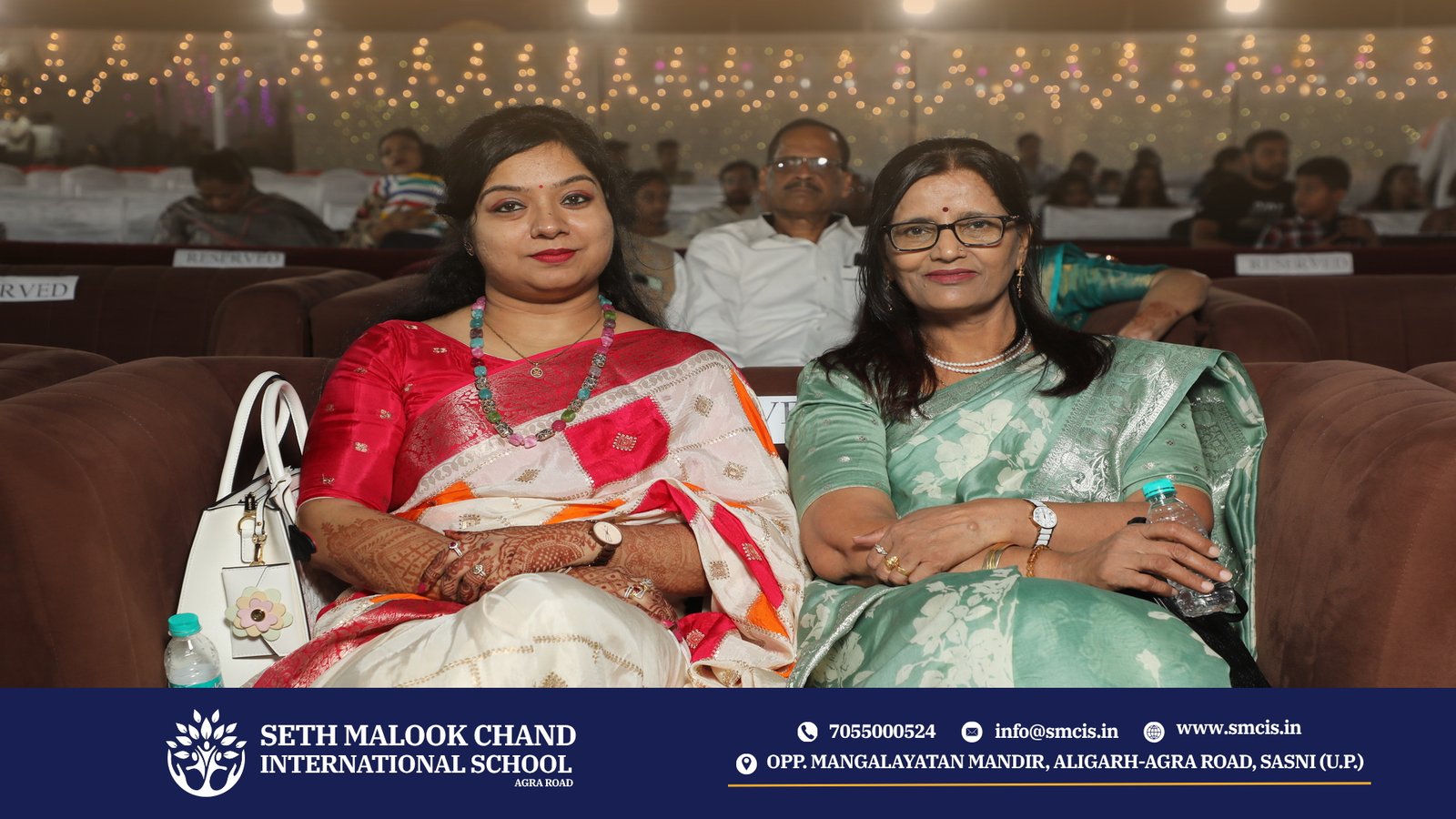
Local press described the audience as completely absorbed in devotion, and the picture from the evening shows packed seating stretching to the back of the pandal. Aligarh MLA Mukta Raja attended the bhajan sandhya along with other guests, sitting among families rather than on a separate stage.
There is something worth noticing here. Schools often treat cultural programmes as performances children put on for adults. A bhajan sandhya flips that. The children sit with their elders and listen, which is its own kind of learning about where they come from.
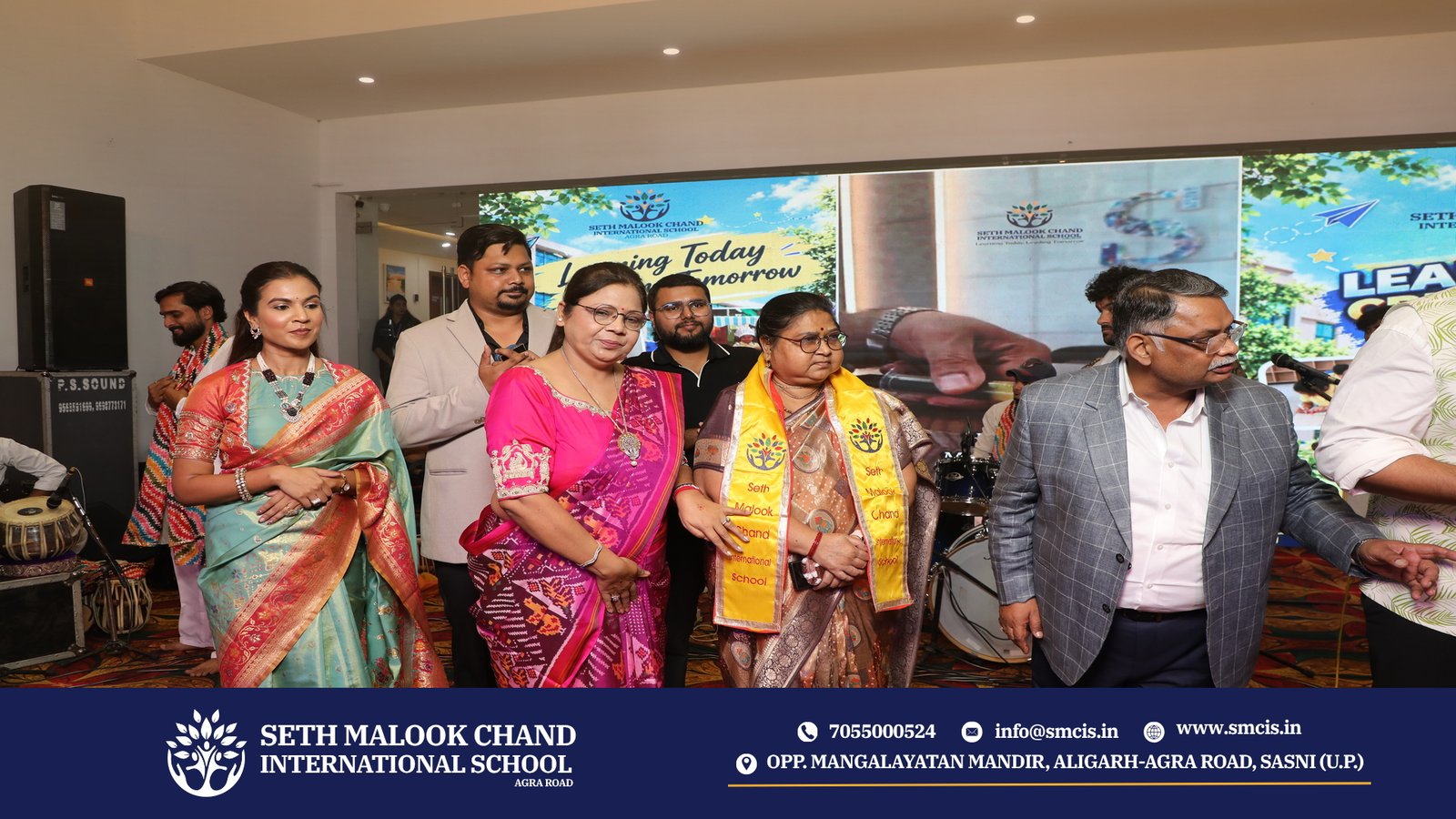
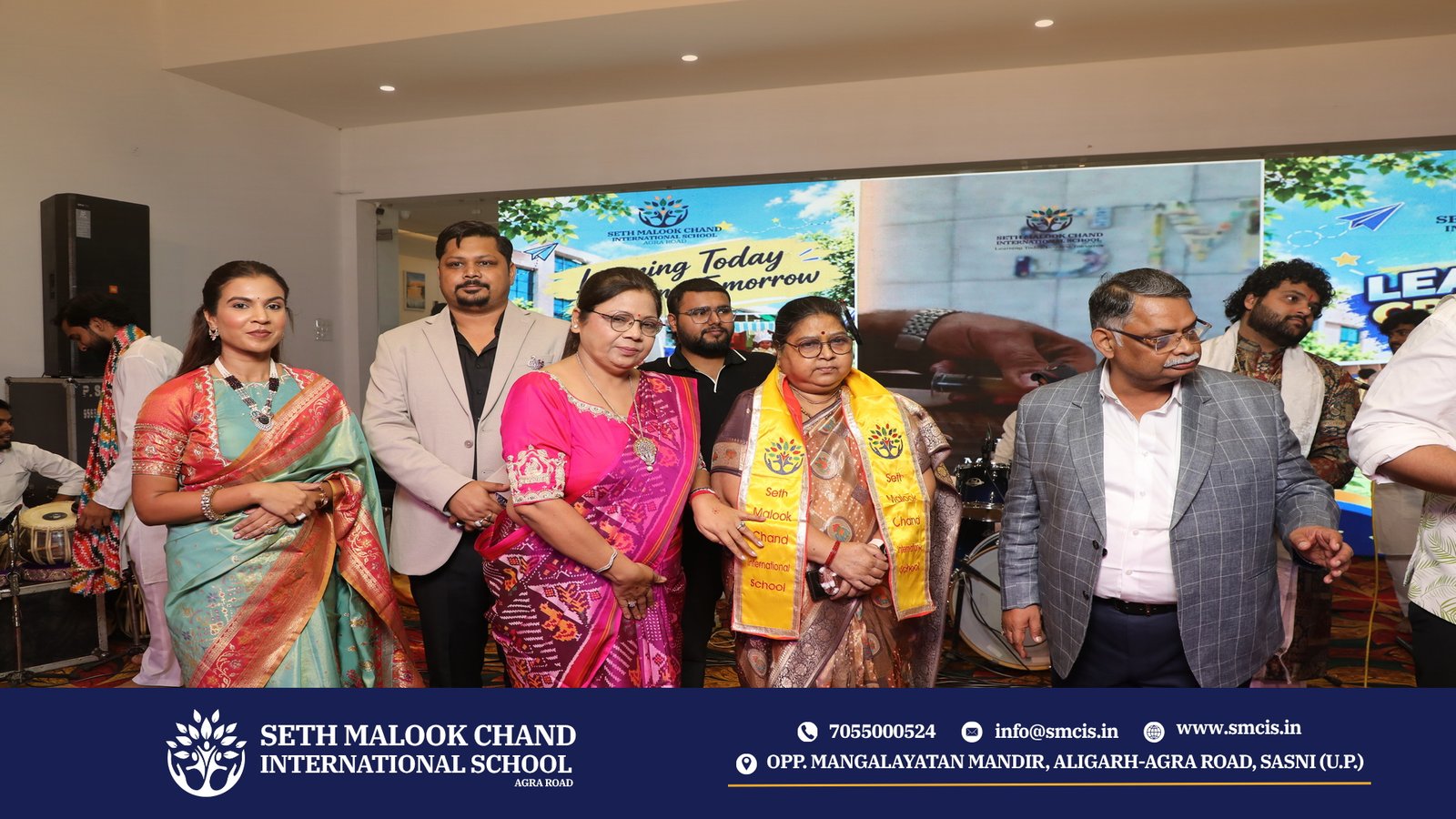
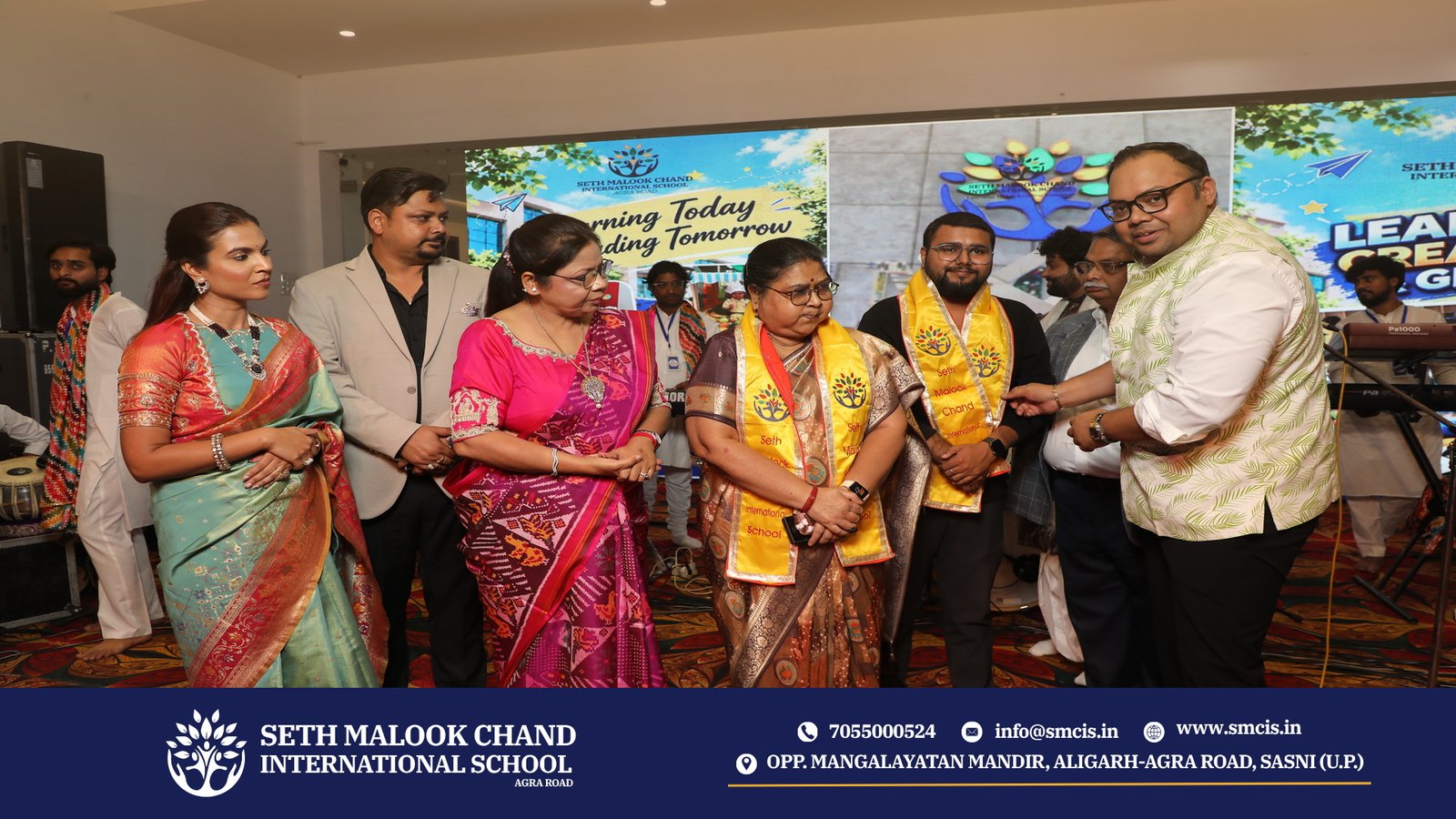
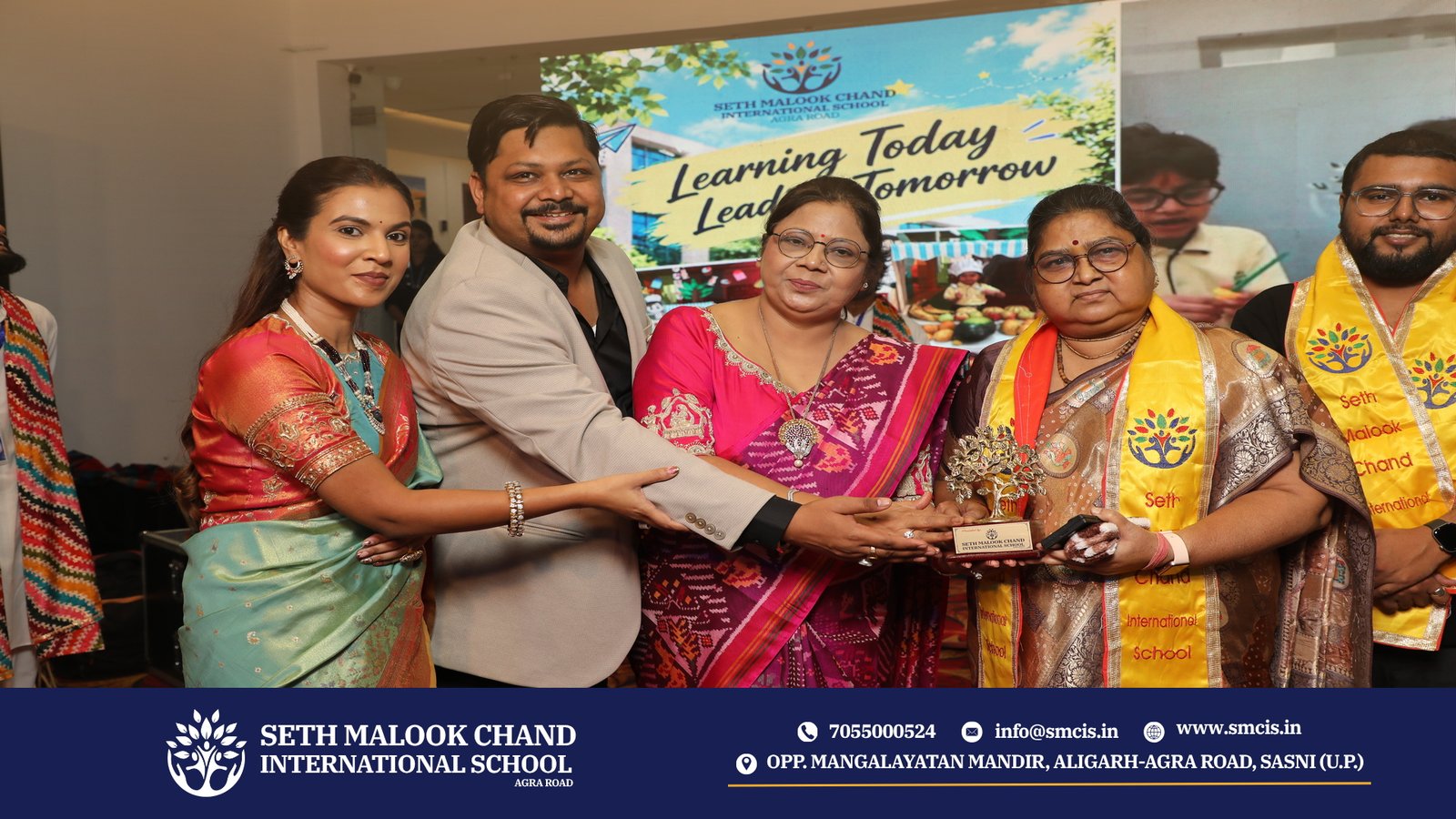
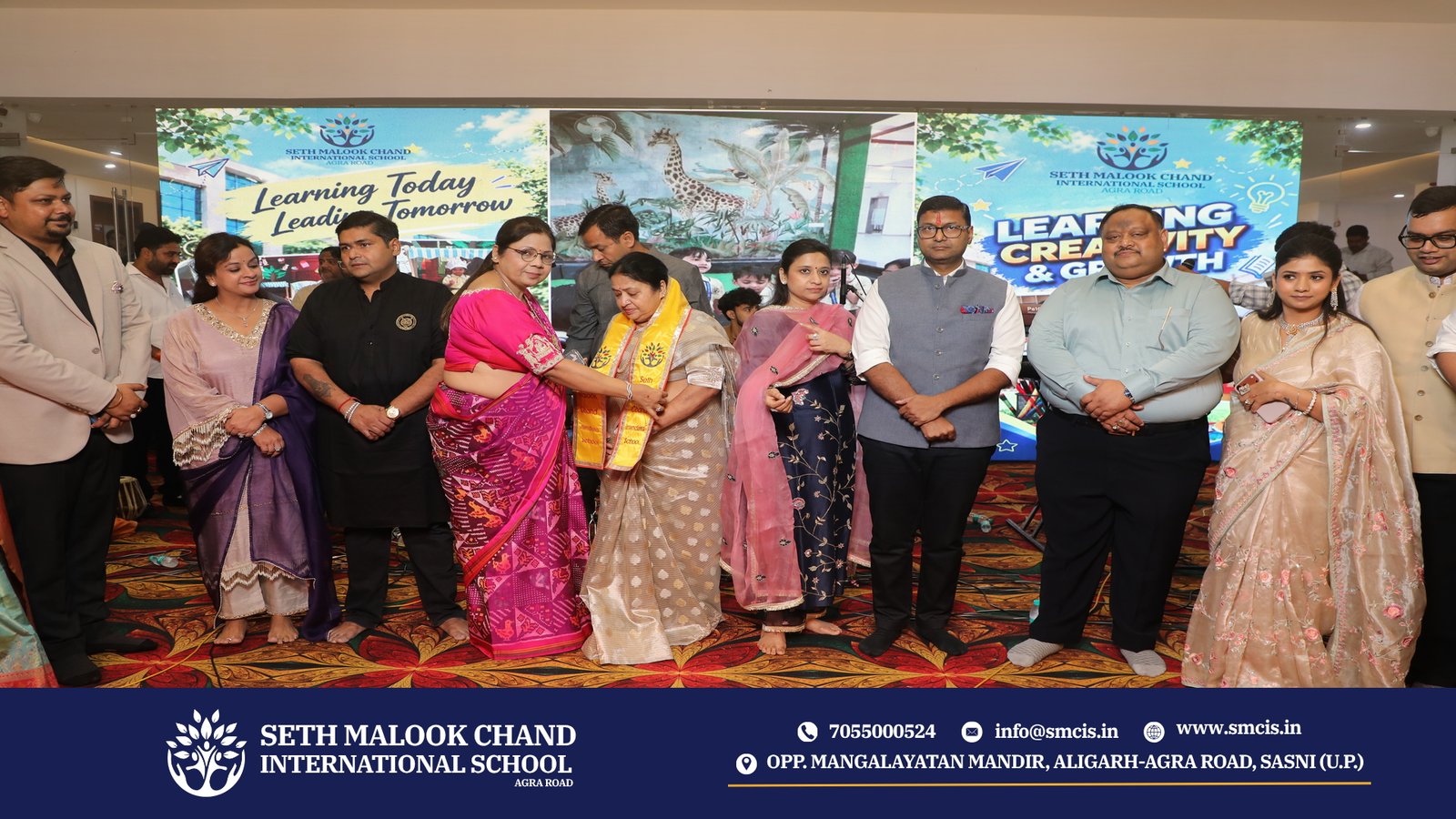
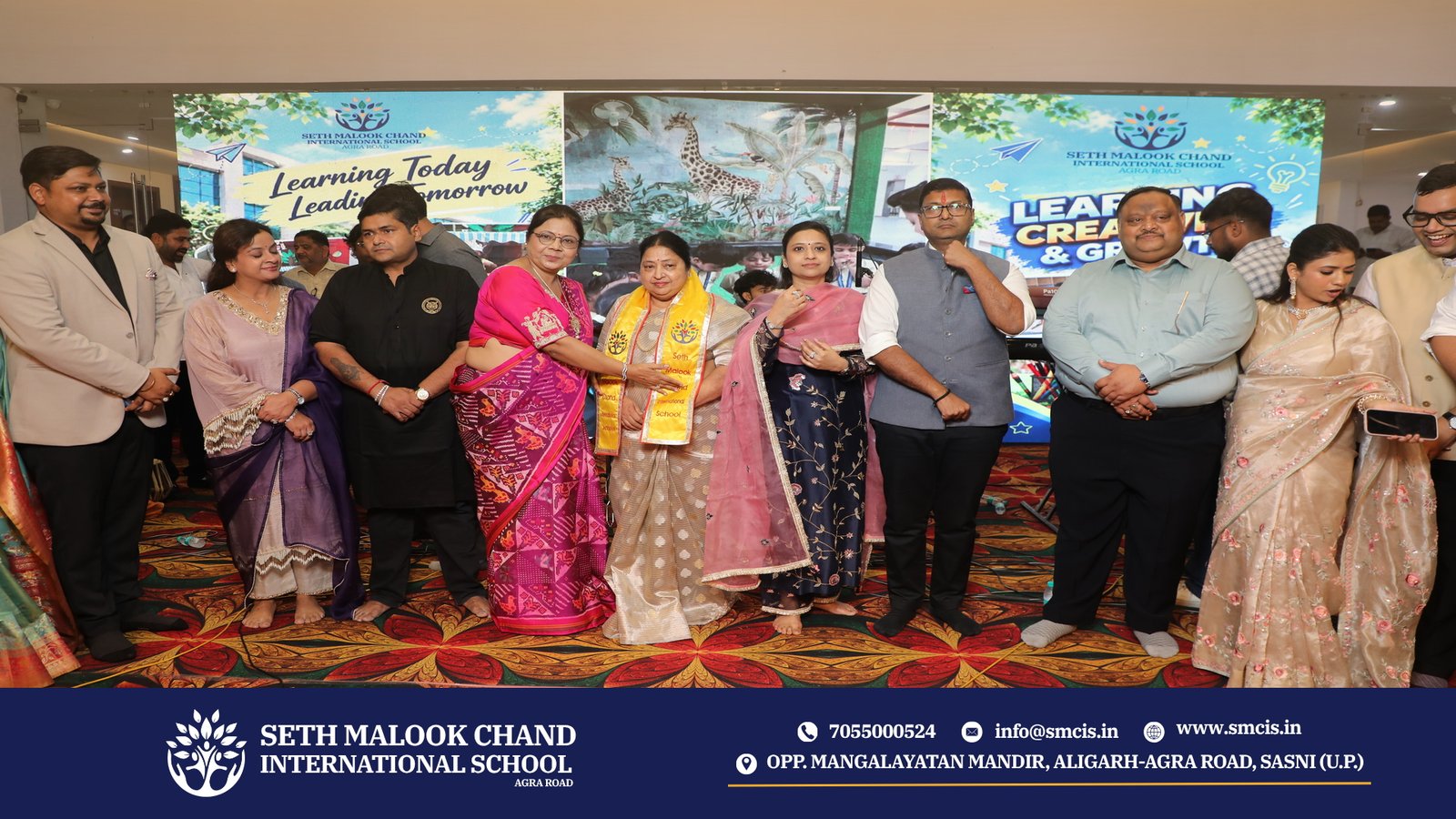
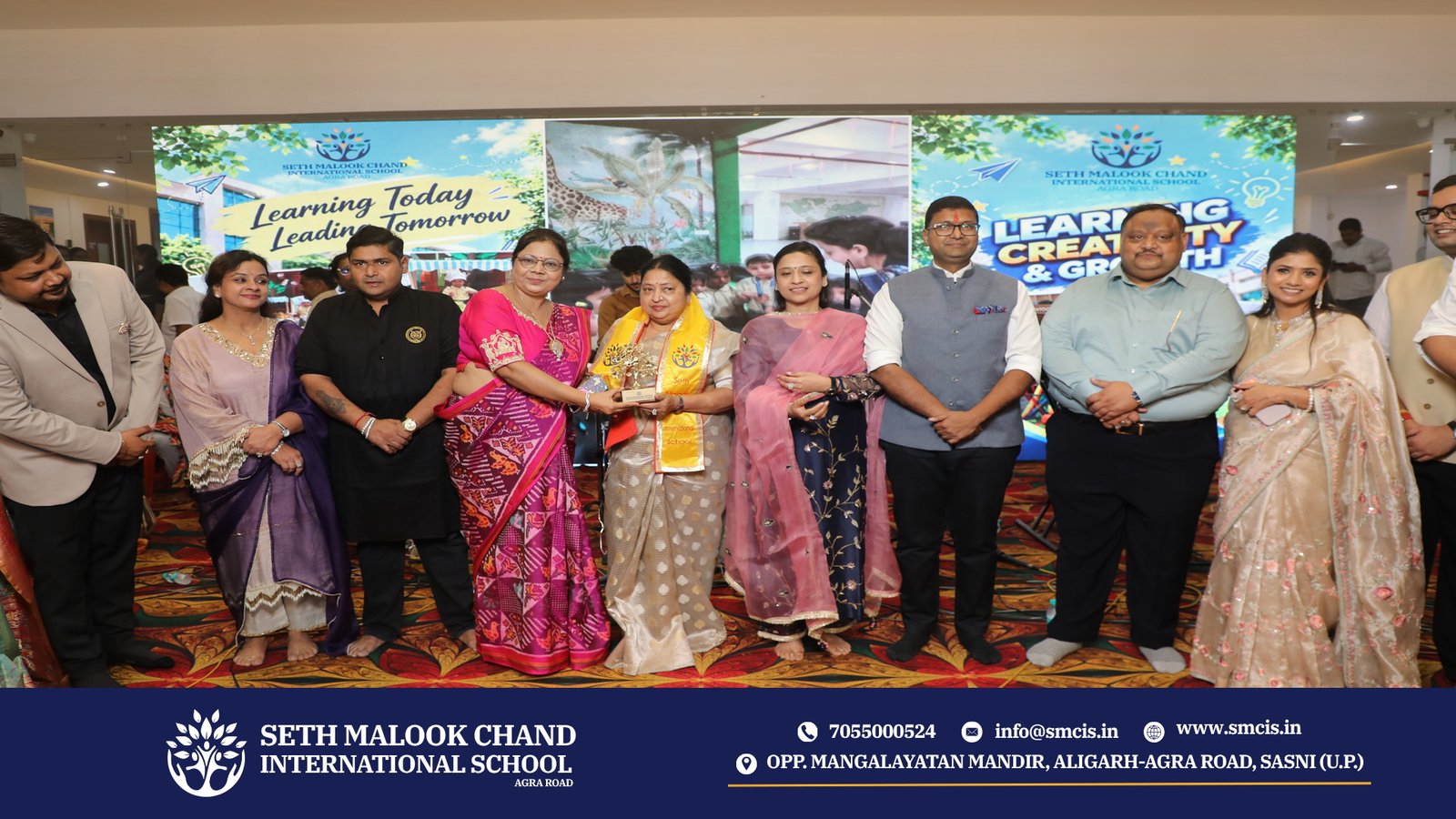
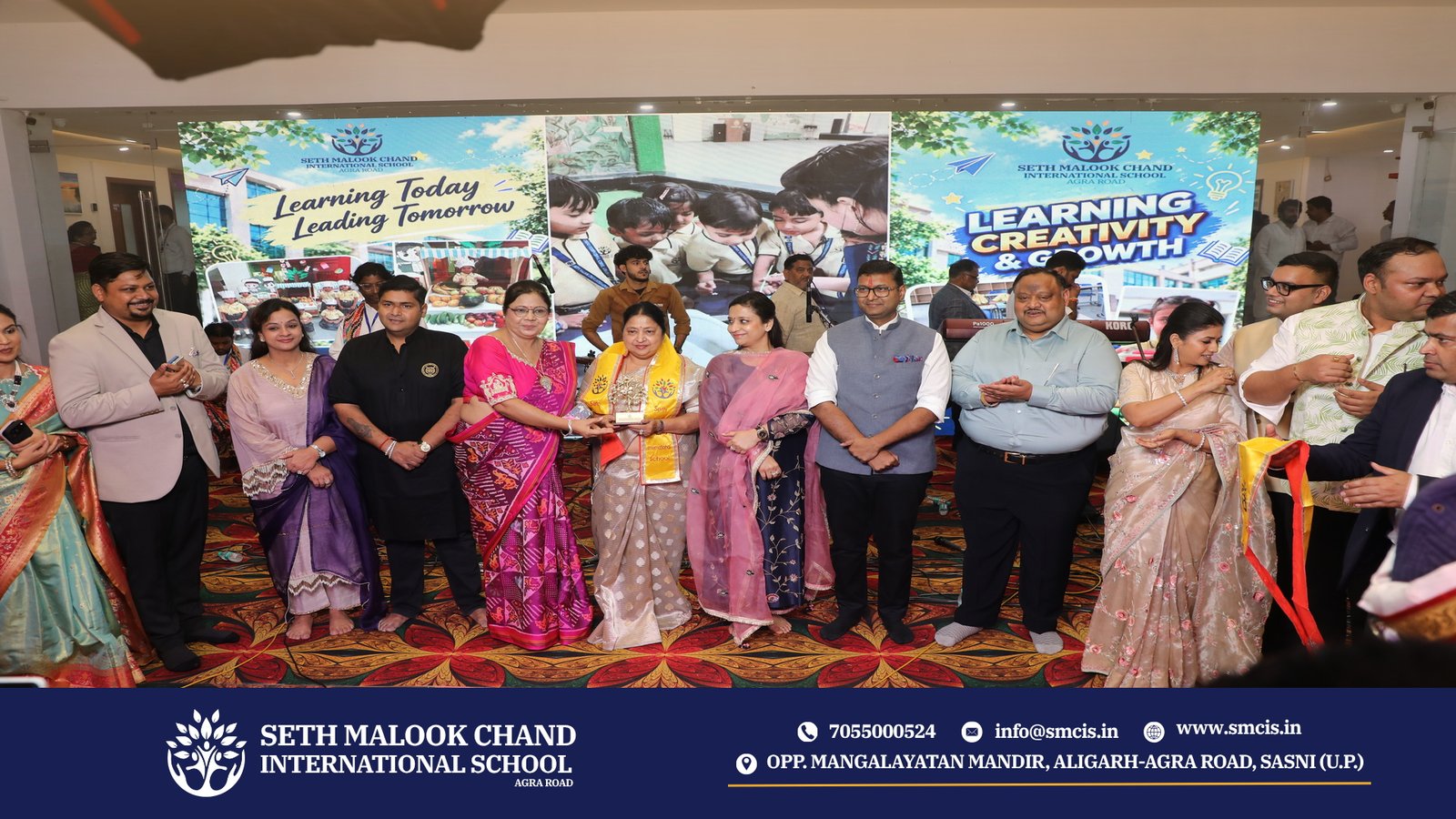
What the School Leadership Said About Events Like This
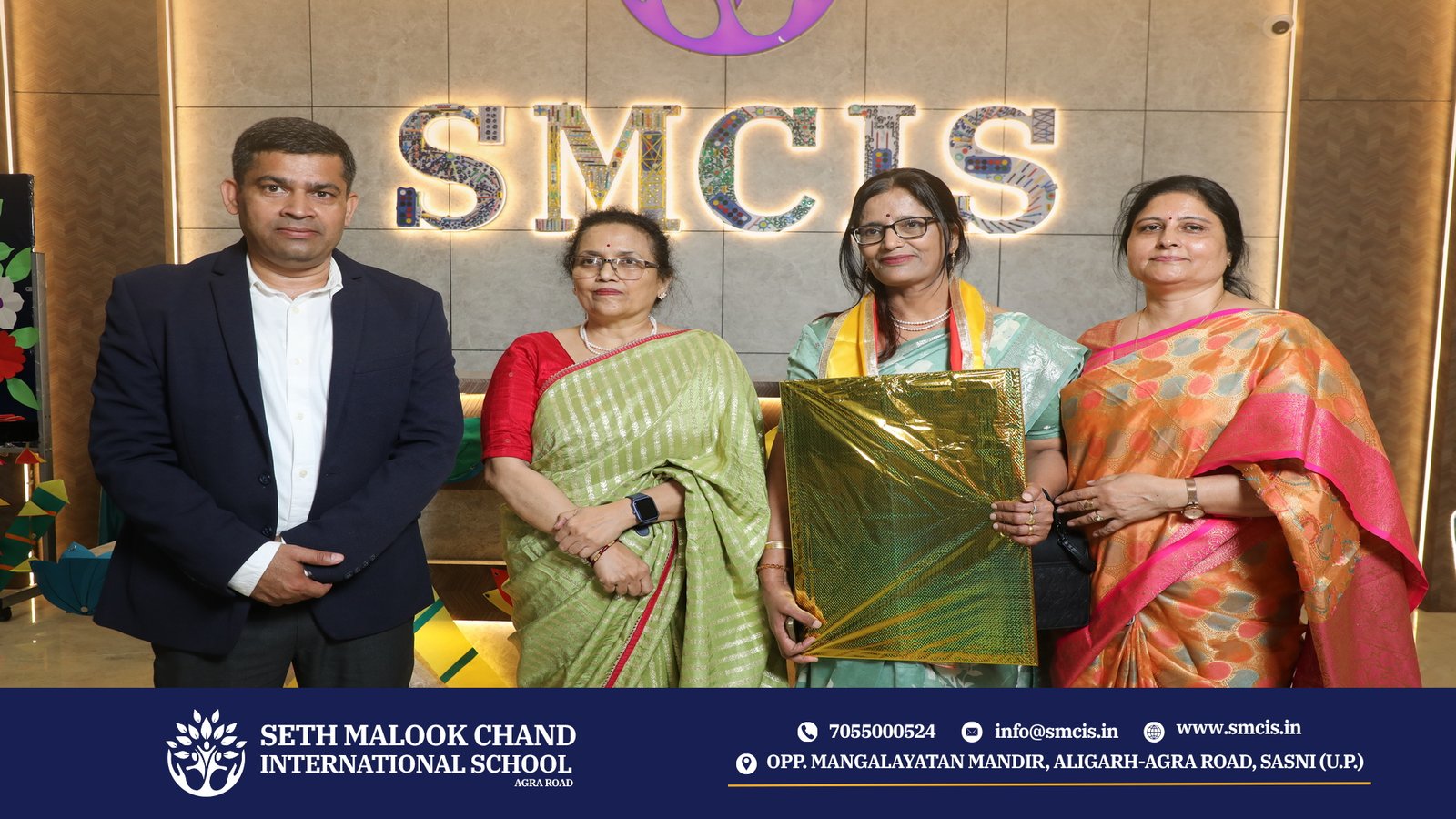
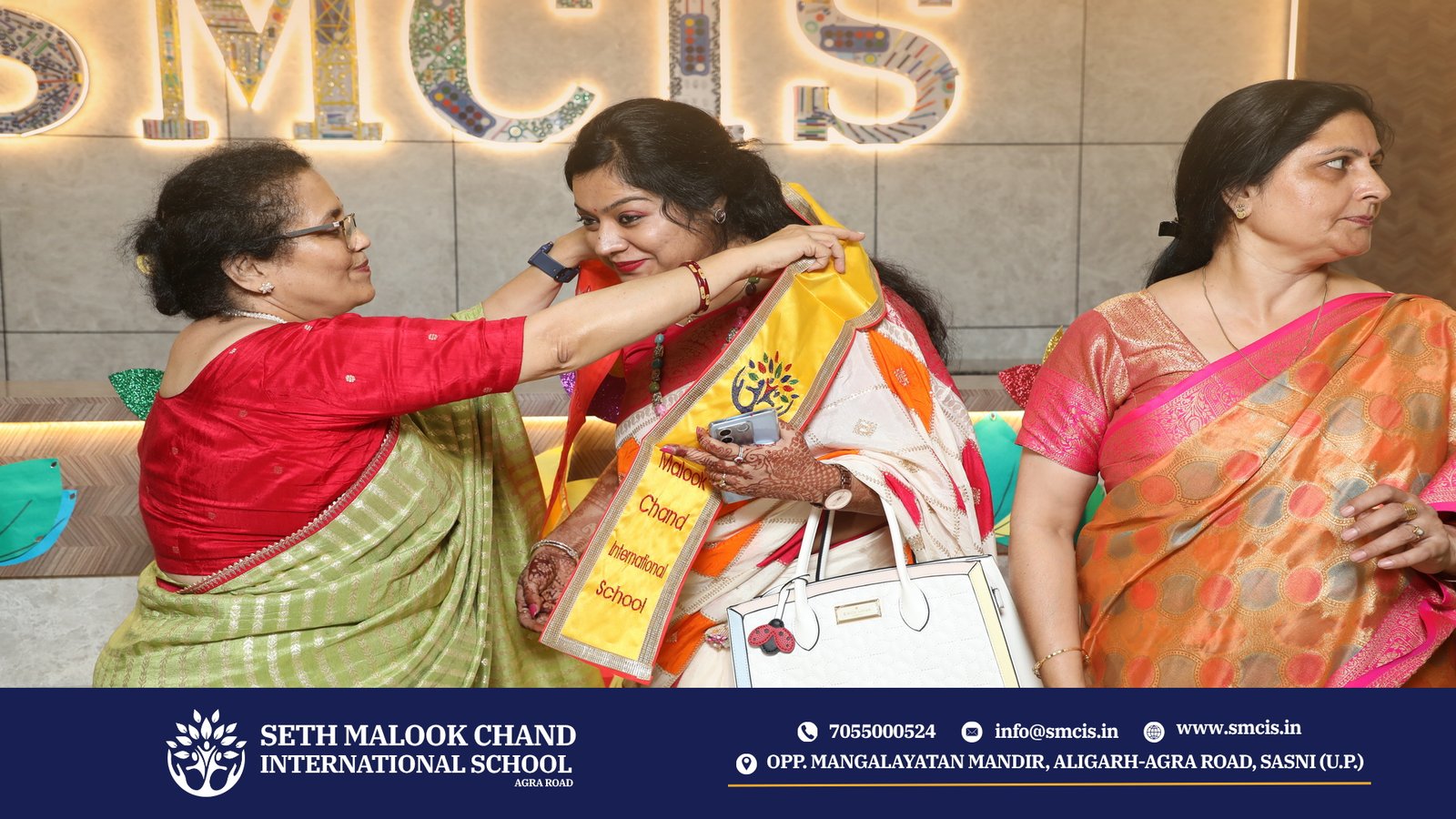
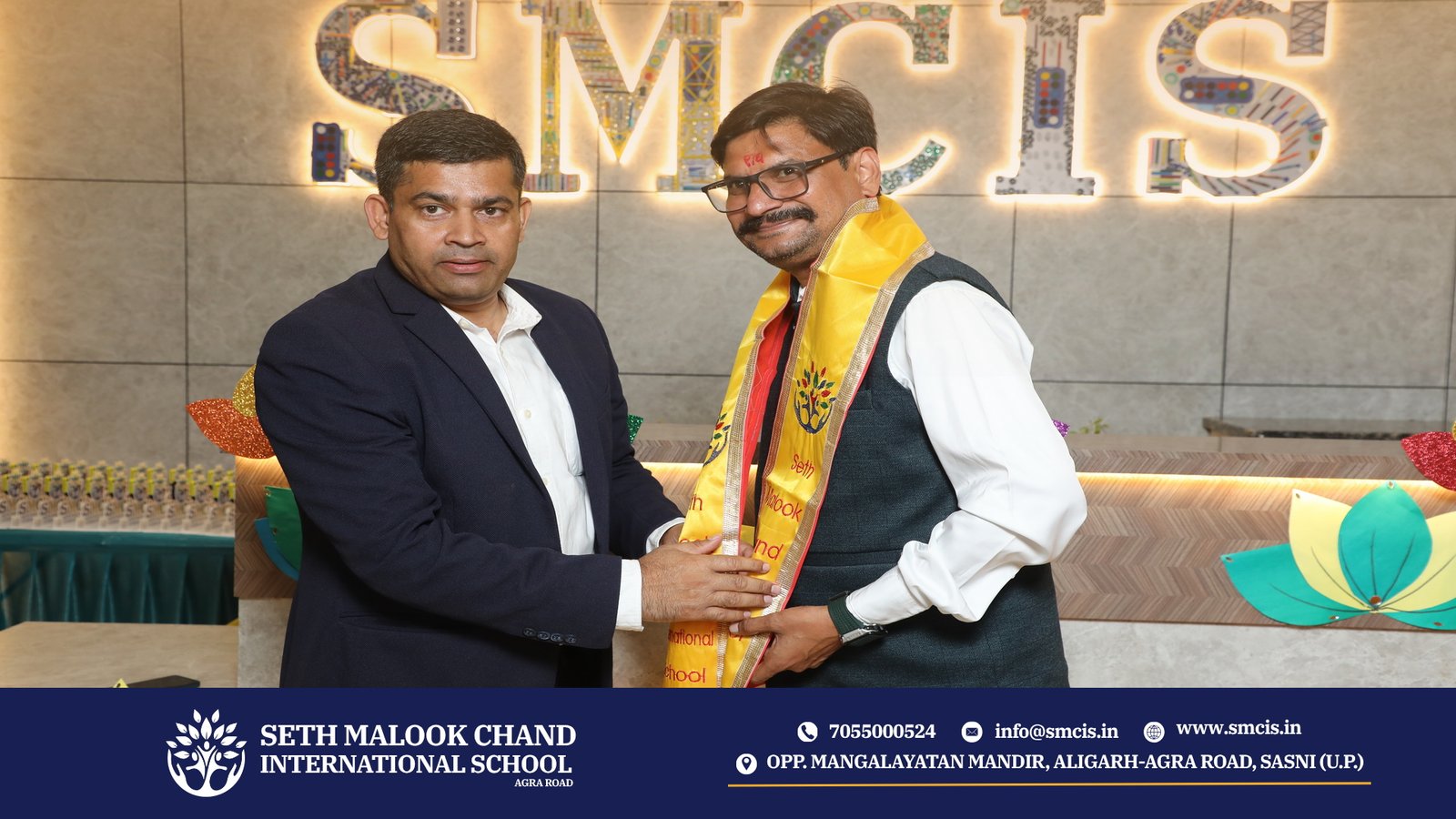
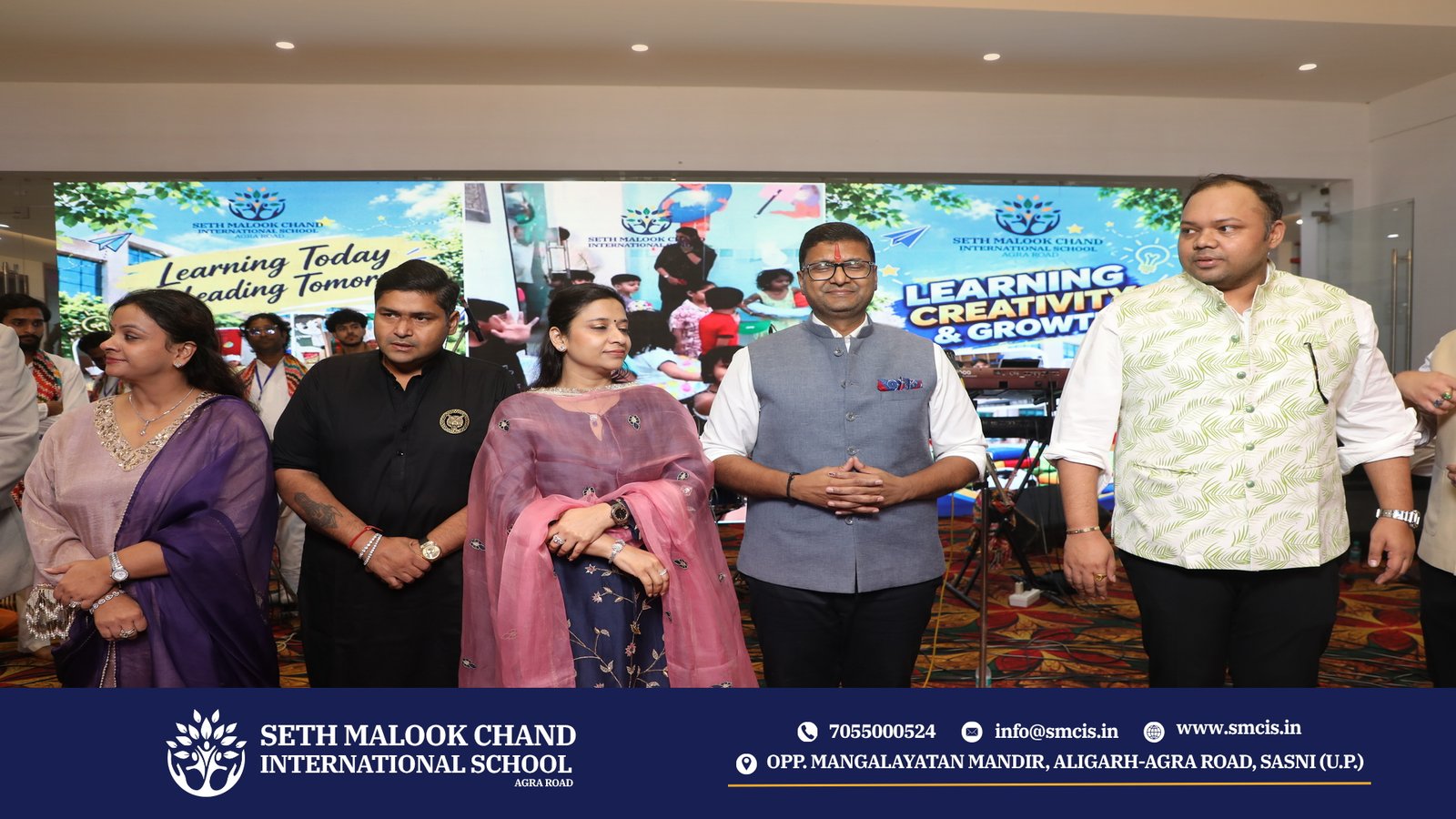
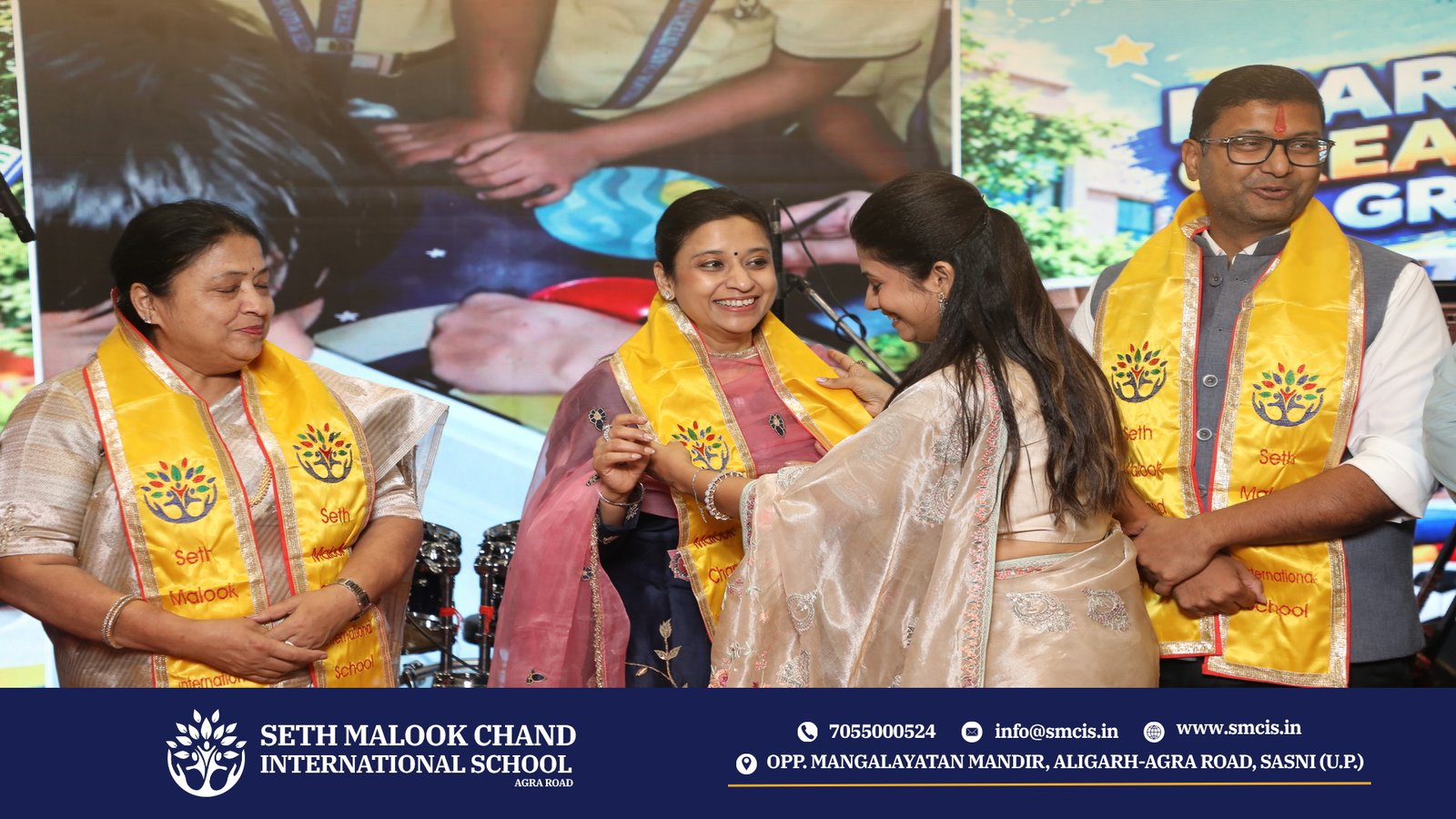
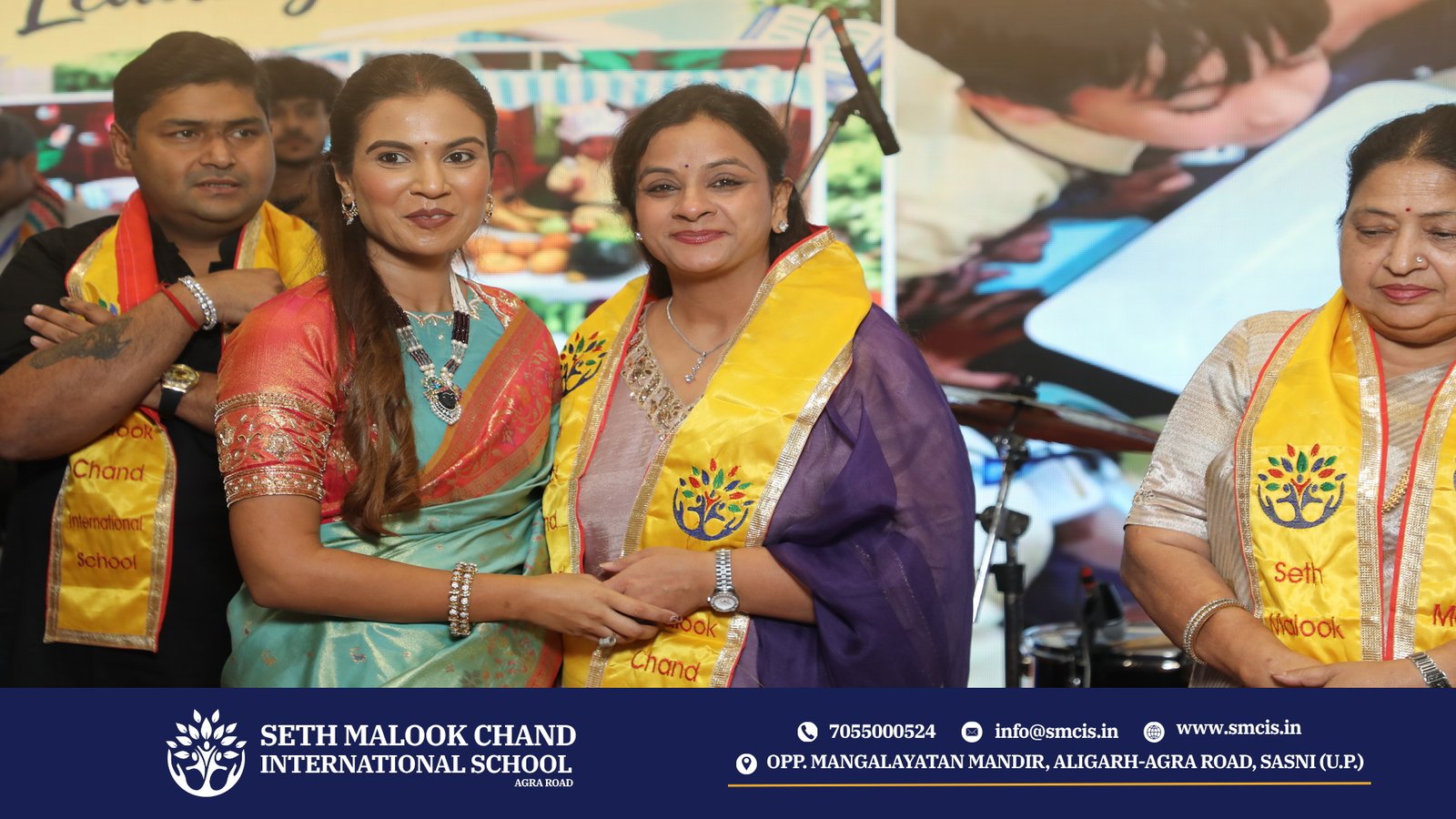
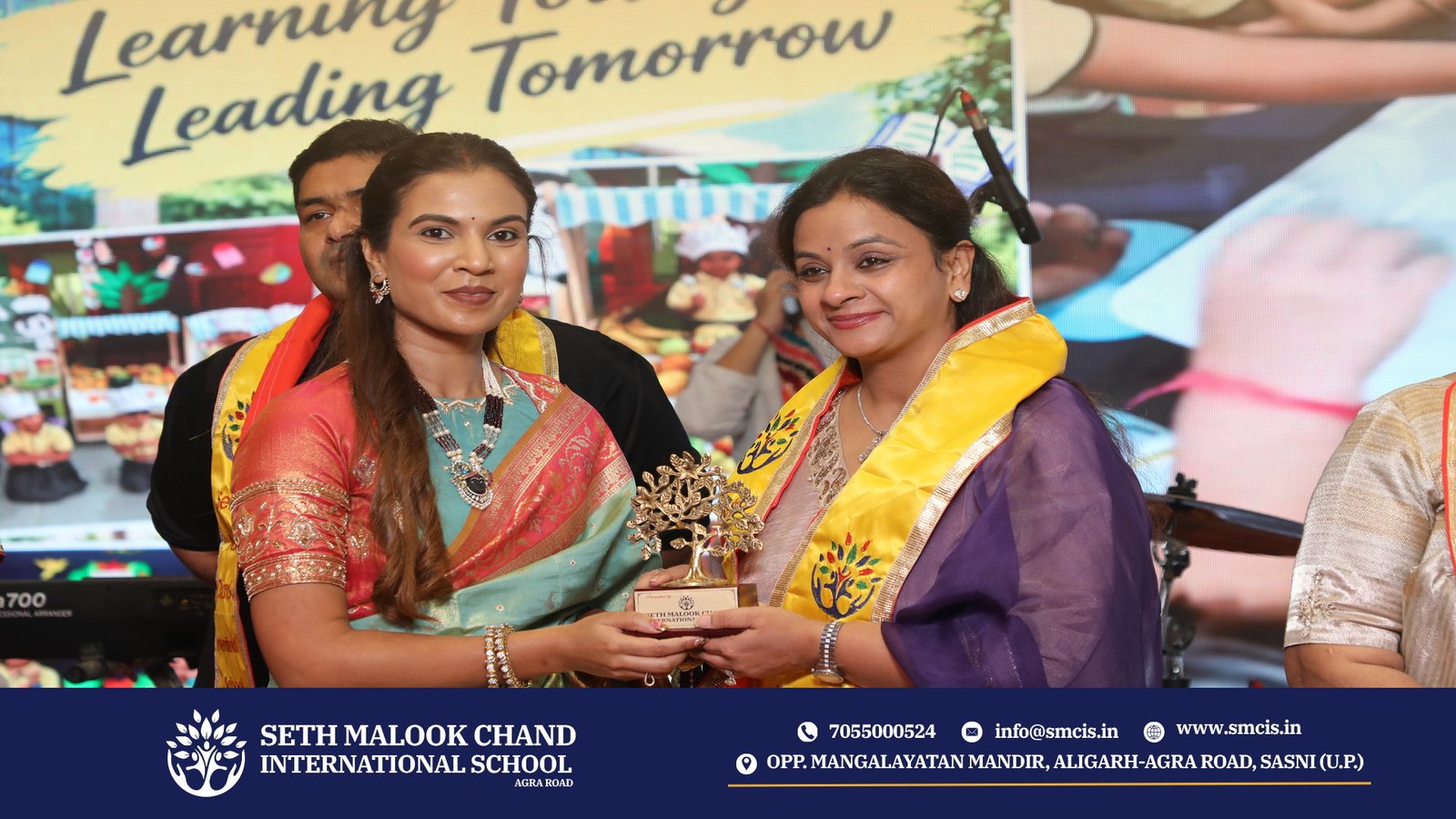
Managing Director Mr. Ajay Agrawal spoke about why the school invests in occasions like Aagaz. In his view, these gatherings build stronger bonds between students, parents and the wider community, and they help carry cultural values forward from one generation to the next.
Ask most parents what they want from a school and they will say good teaching first. Fair enough. But schools that only meet families at report card time miss something. When teachers, parents and neighbours meet at a festival, conversations happen that never happen at a PTM. A mother mentions her son is shy on stage. A teacher notices a girl who sang along to every bhajan. Small things, but they shape how a child is taught.
Director Mr. Abhishek Agrawal was also present through the evening. In his earlier remarks at the mela, he spoke about pairing modern, AI enabled learning with sanskar, so that children grow up ready for the world without losing their roots.
Giving Students a Stage
Principal Vivek Dixit’s point about talent deserves a closer look, because it is the part of Aagaz that lasts after the lights come down. A mela of this size needs hands. Students help with stalls, welcome guests, perform and manage small tasks that adults usually handle.
That experience builds confidence in a way classroom marks cannot. A Class 7 student who has managed a stall counter for an evening, or stood in front of hundreds of people, walks into the next school assembly with a straighter back. Schools that create these moments deliberately are giving children practice at being seen, and that practice is hard to find anywhere else.