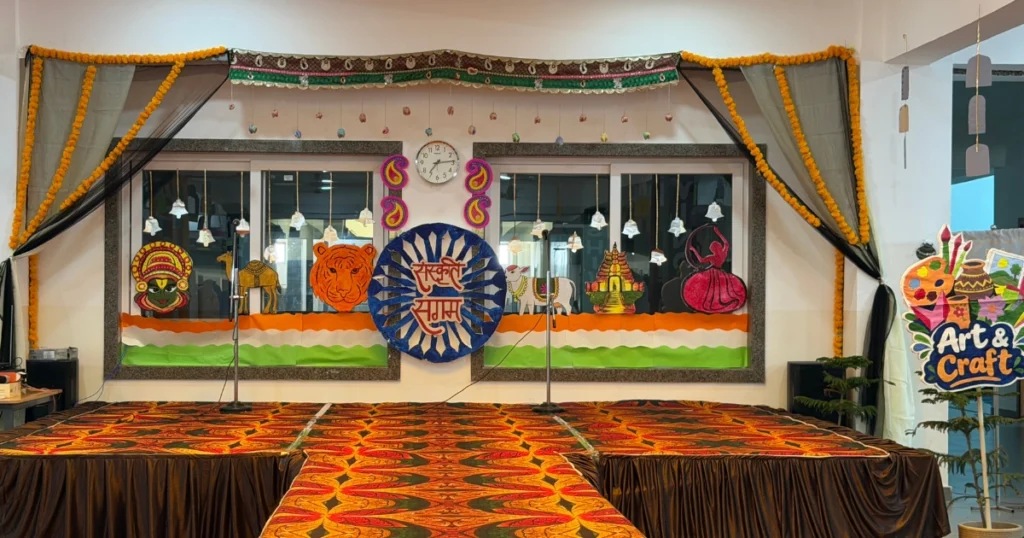
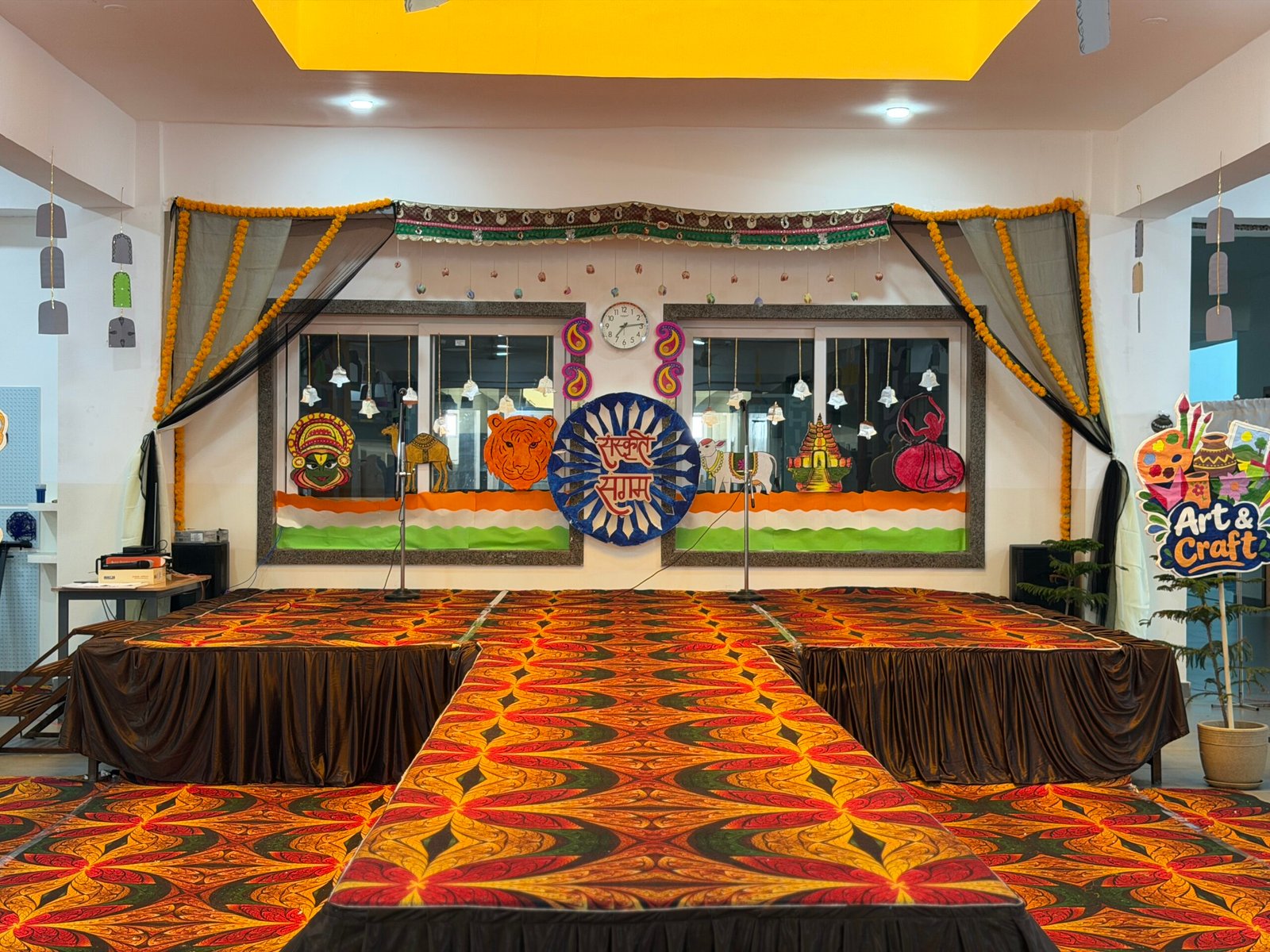
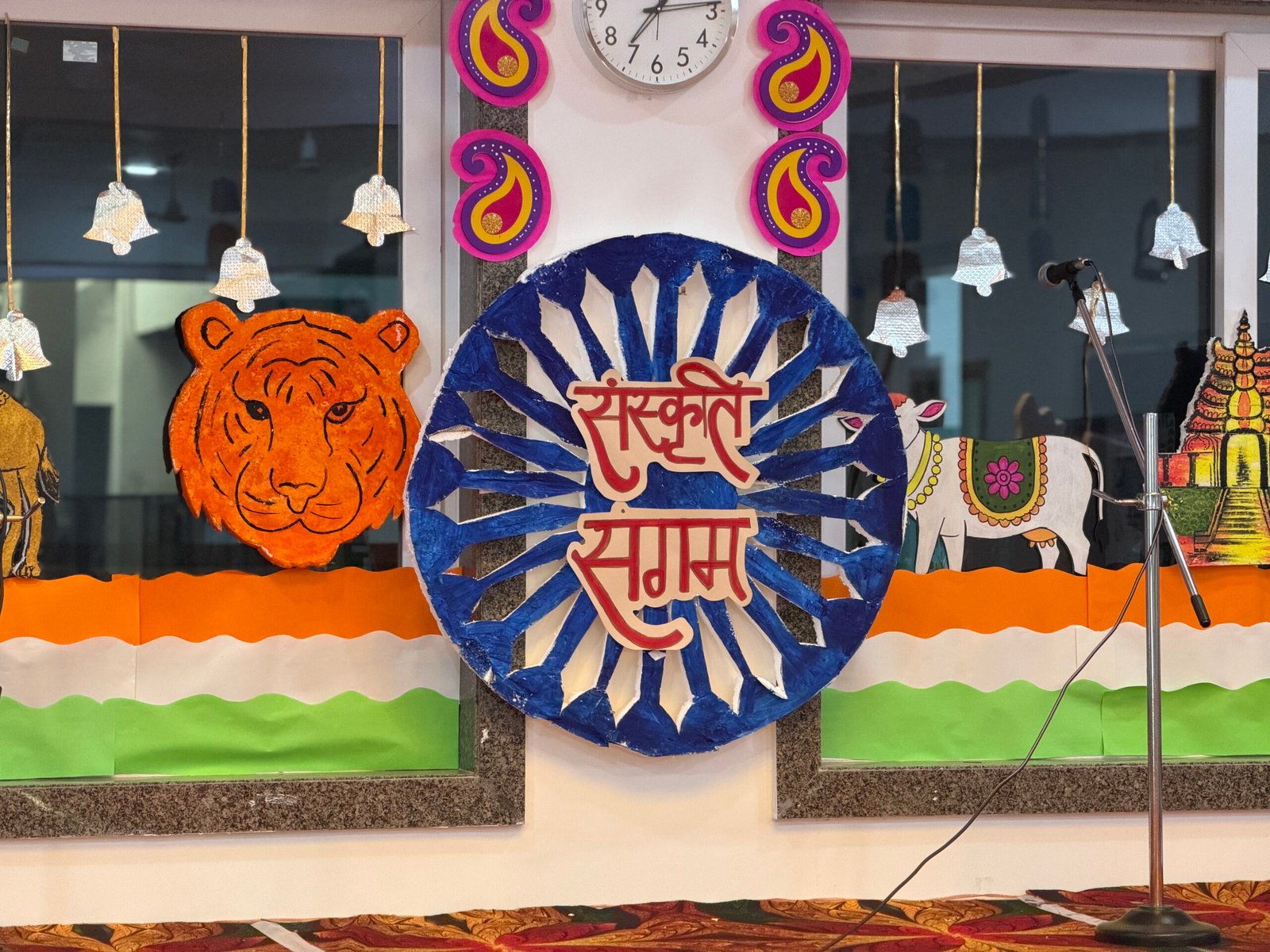
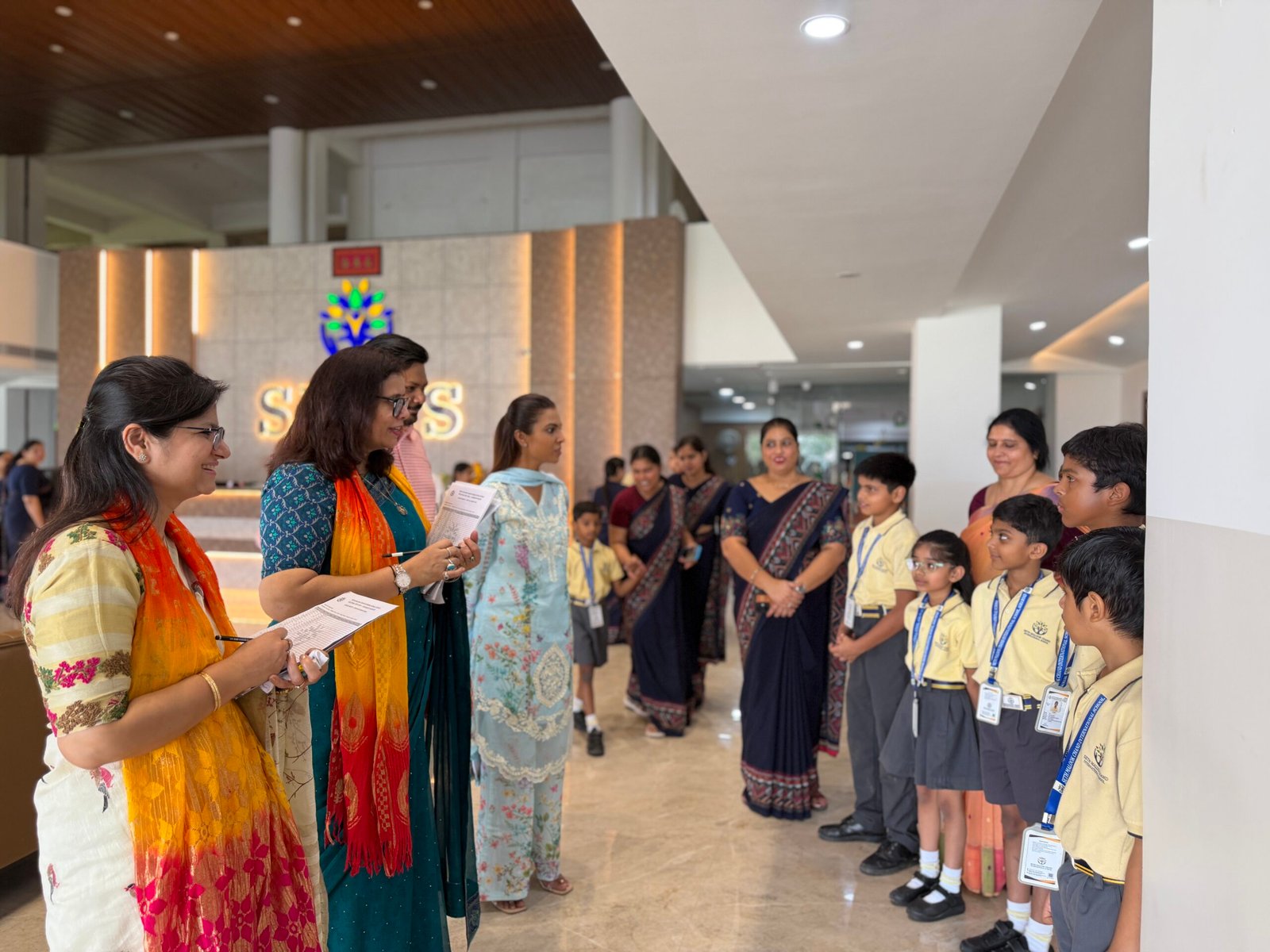
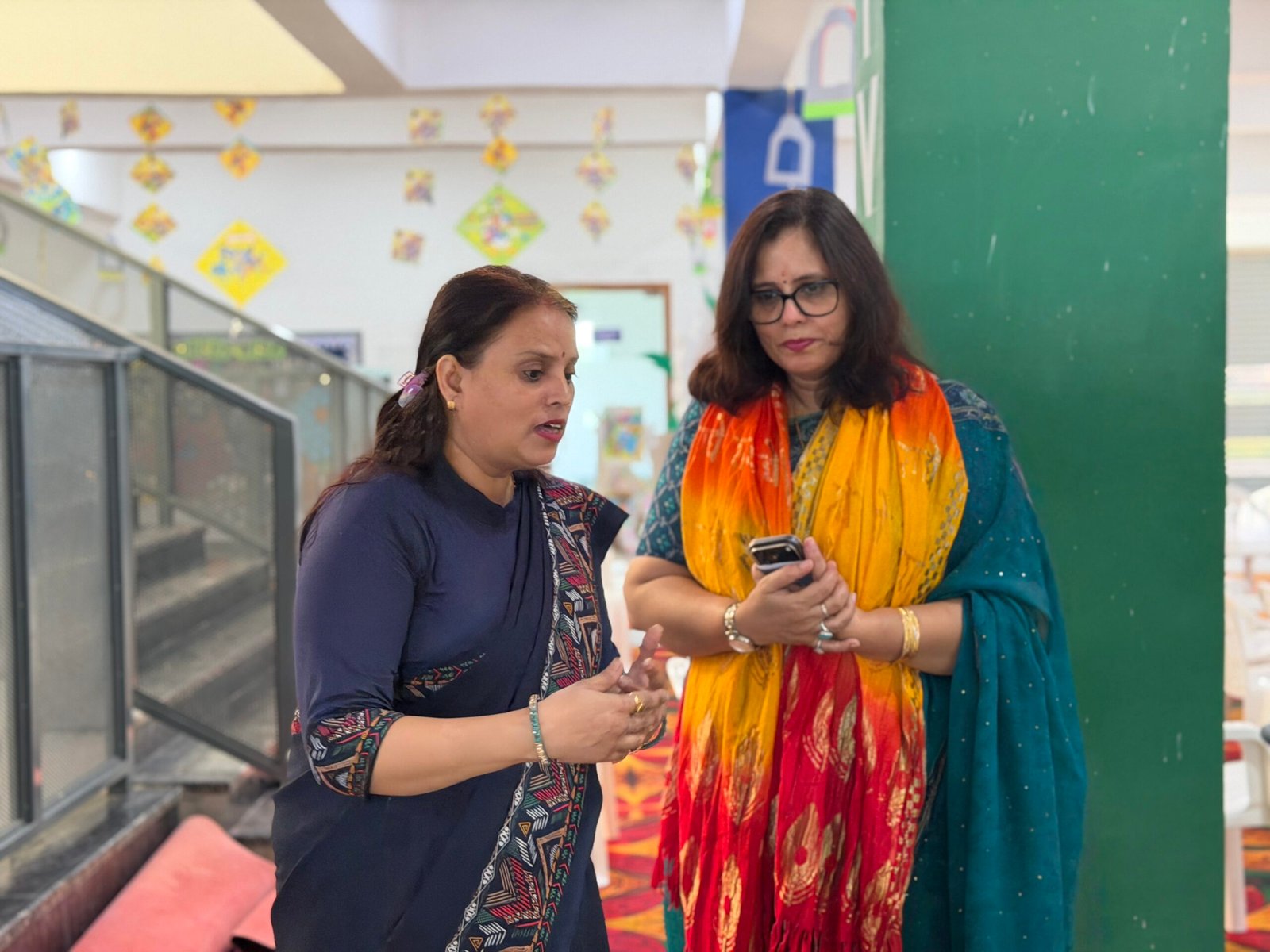
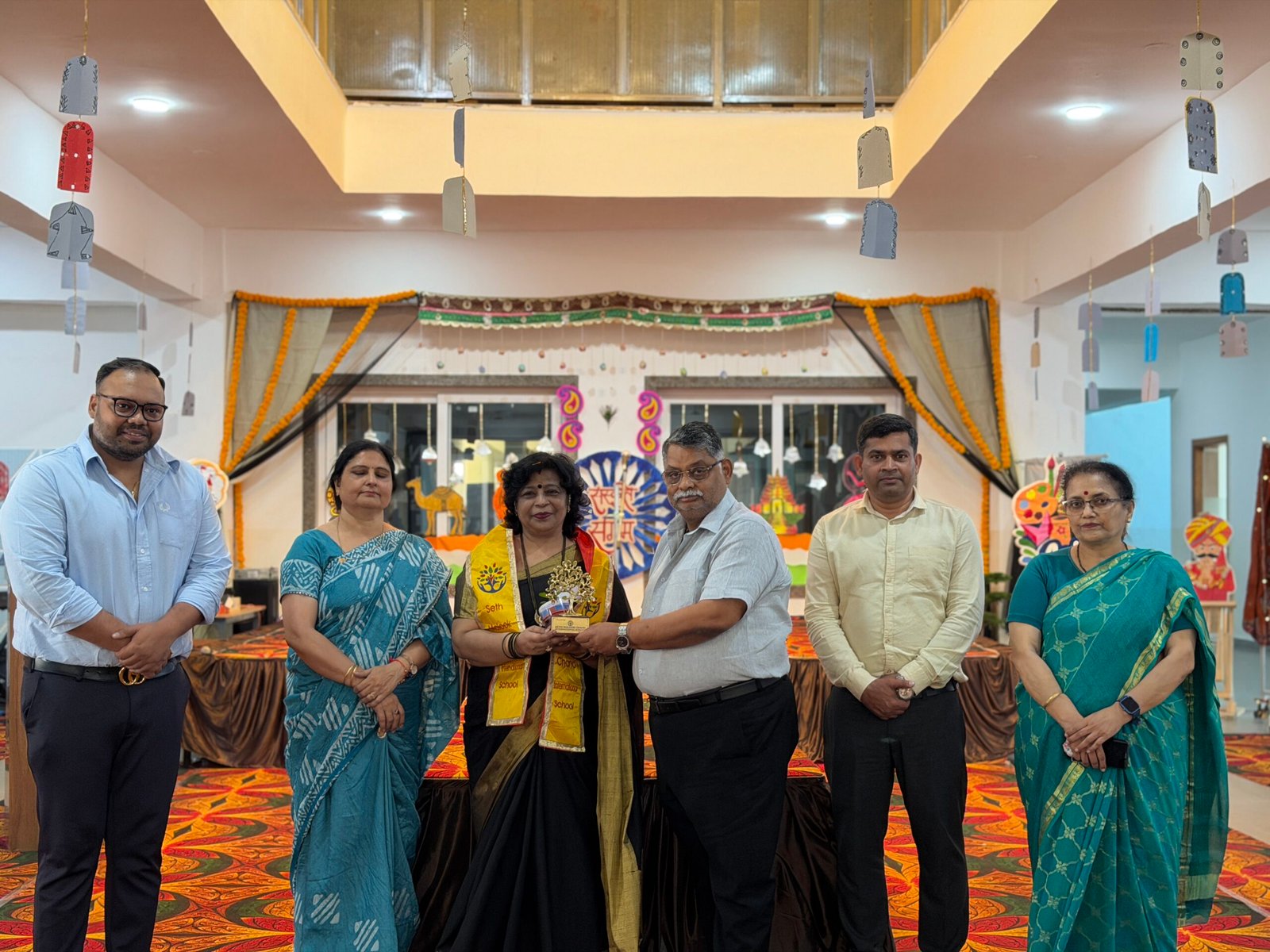
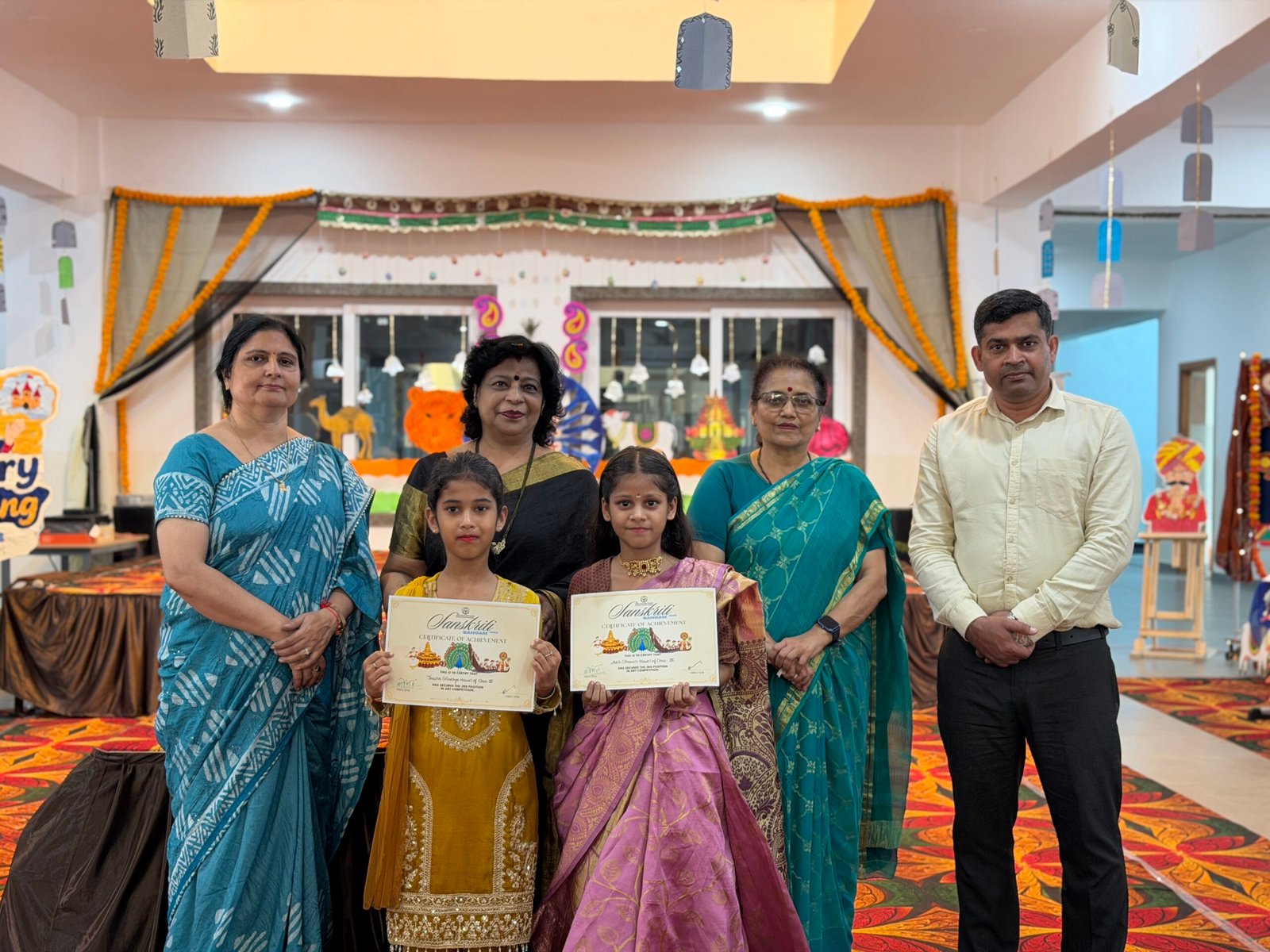
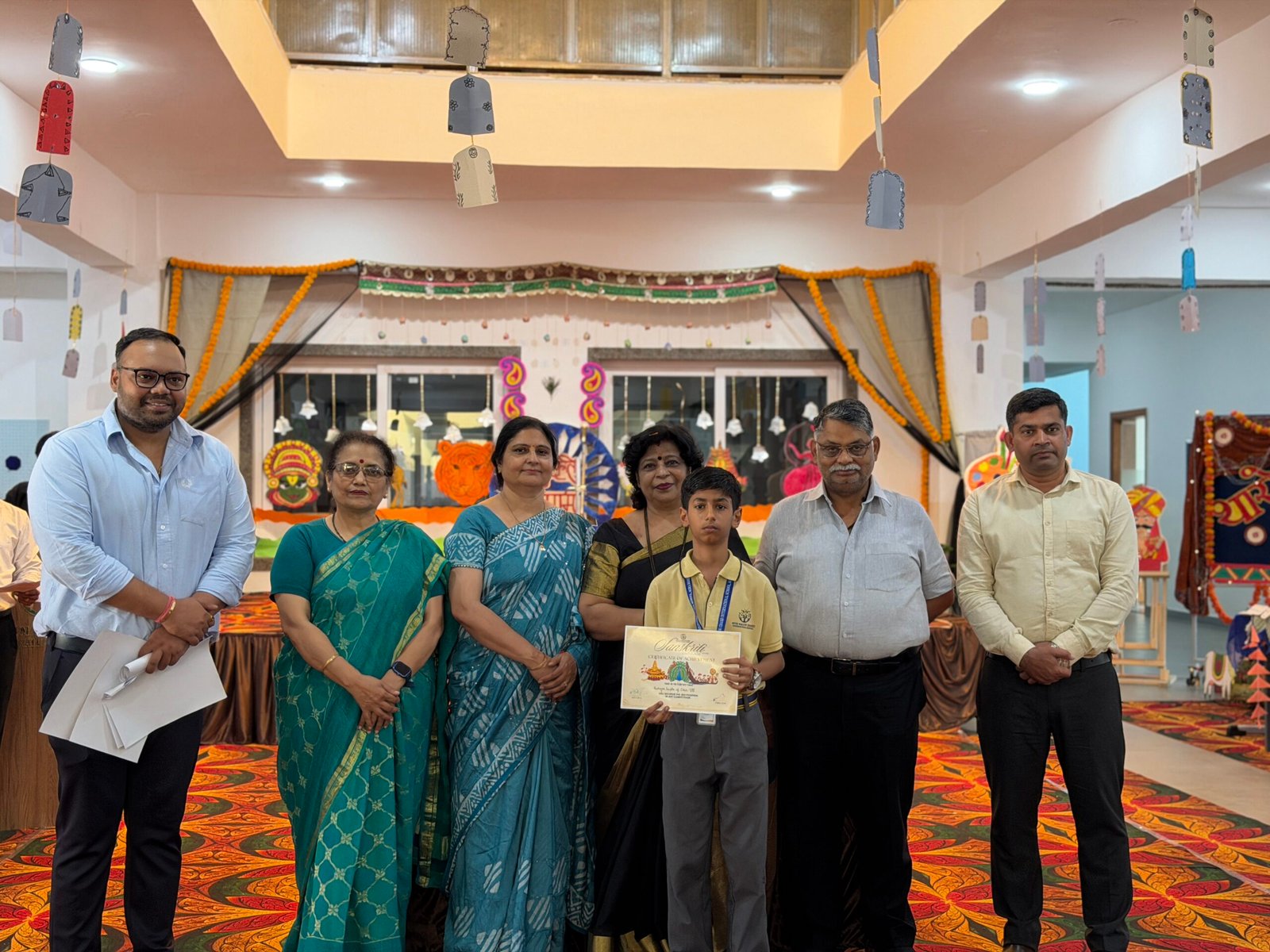
For one week this autumn, nobody at Seth Malook Chand International School walked into an ordinary school day. From 26th September to 3rd October 2026, our Agra Road campus hosted Cultural Week 2026, which we called Sanskriti Sangam. A cultural fest in school can easily become a single afternoon of speeches and a dance or two. We wanted something slower and fuller than that, a week where students did not just hear about India’s traditions but spent time inside them.
The idea was simple to say and harder to pull off. India is one country with many ways of dressing, eating, singing, praying and telling stories. Could a school campus hold all of that at once, and could children find the thread that connects it?
Why a whole week instead of one day
A one-day event gives students a stage. A week gives them a project. That difference showed up almost immediately. Children who might have stood at the back of a single assembly had days to plan a rangoli, rehearse a skit, learn about a regional dish or get comfortable presenting a traditional outfit.
Time also changed what the teachers could do. Instead of rushing a performance together, they could talk with students about what a costume or a dish actually meant. One line from our planning notes stayed on the walls all week, and we still like it. A display becomes more meaningful when we understand what it truly represents.
Four zones, one map of India
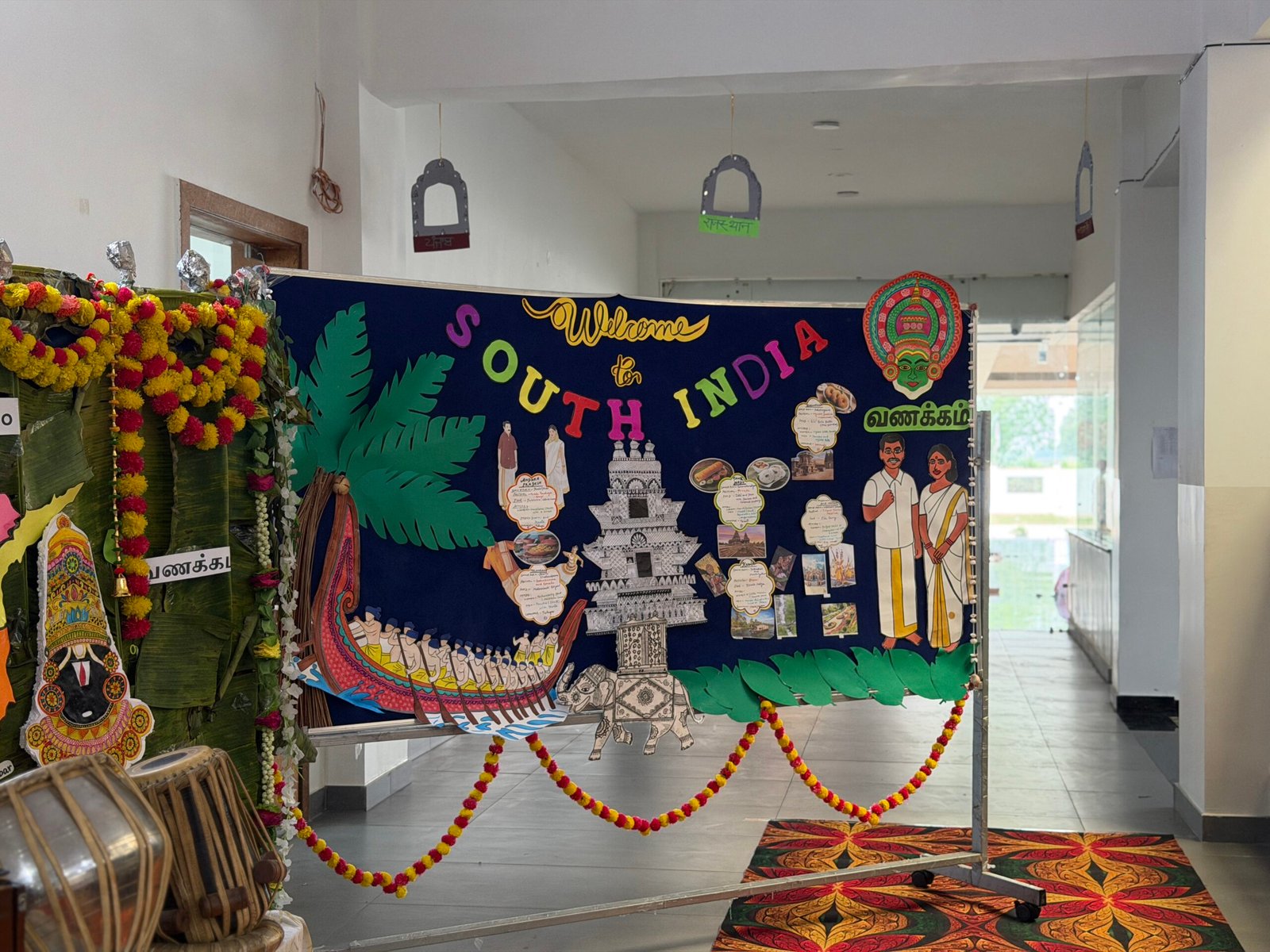
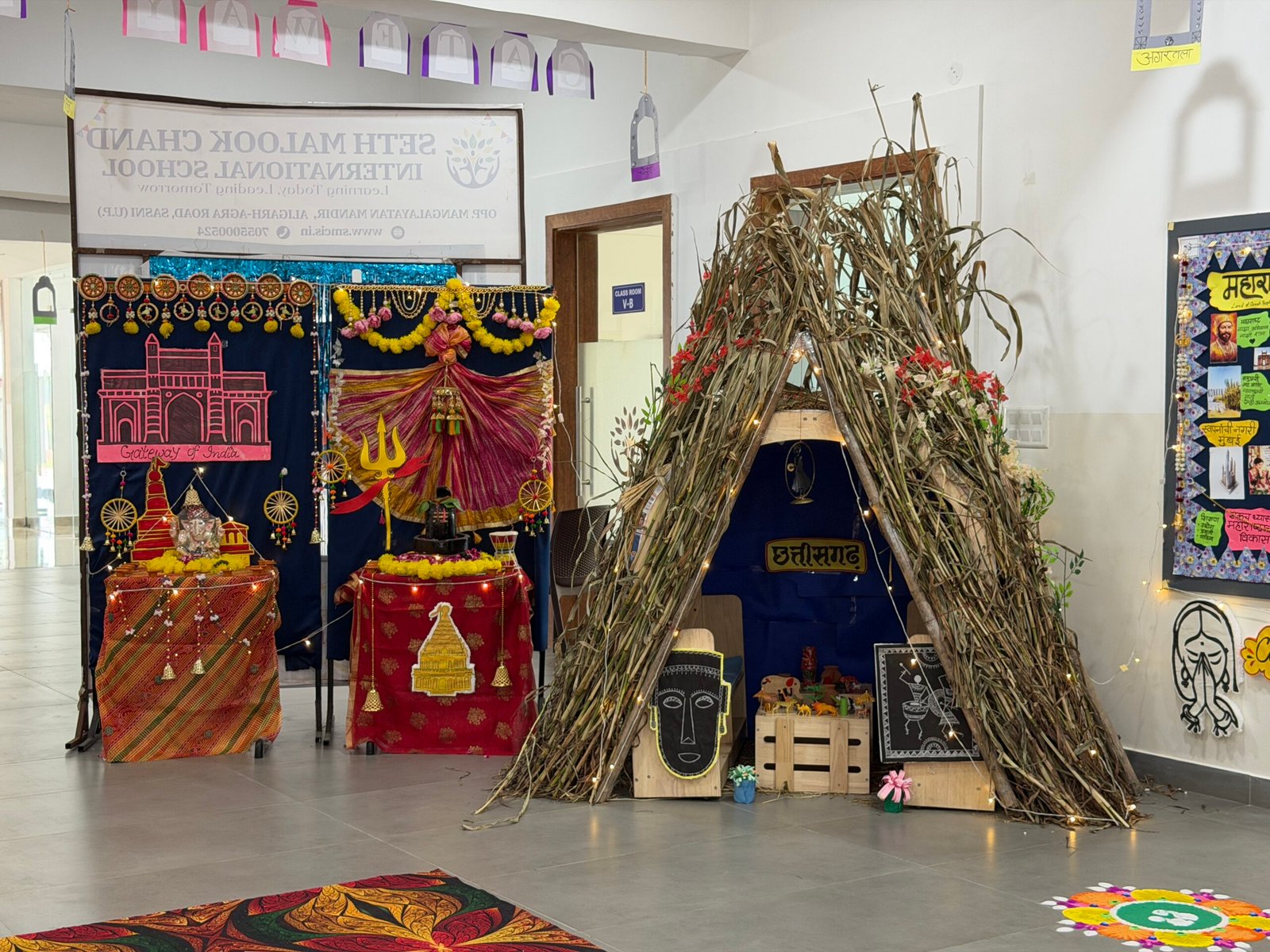
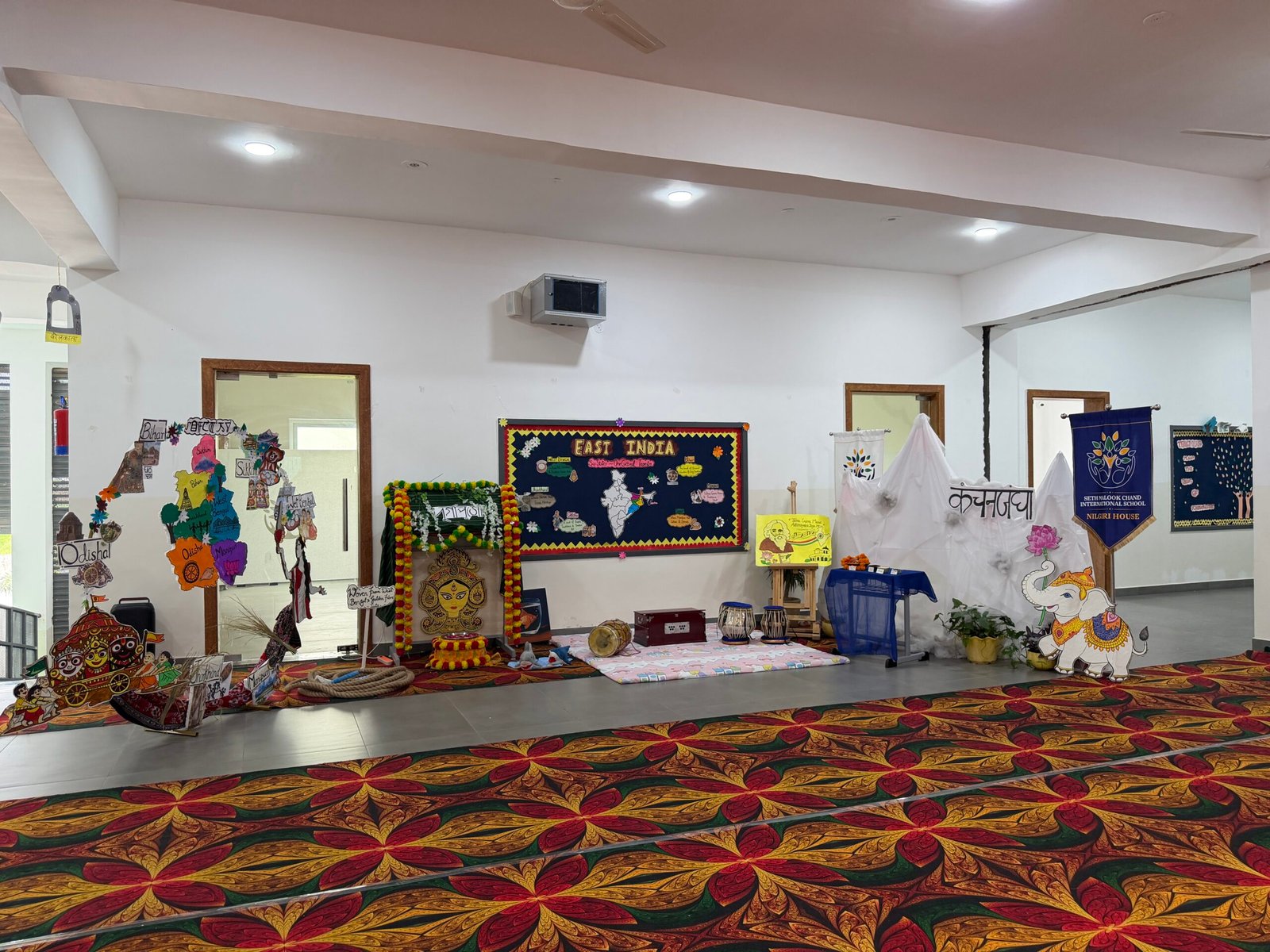
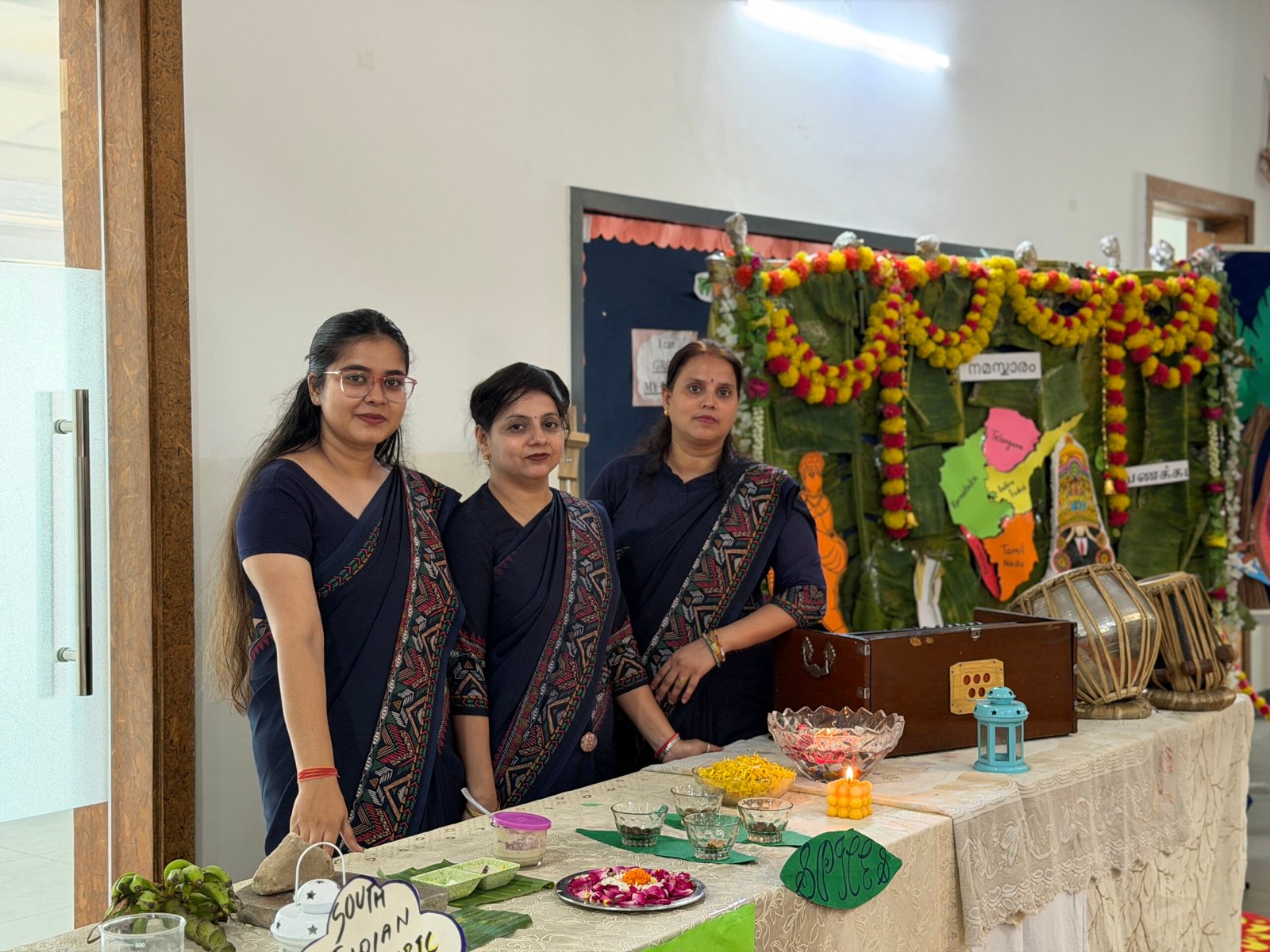
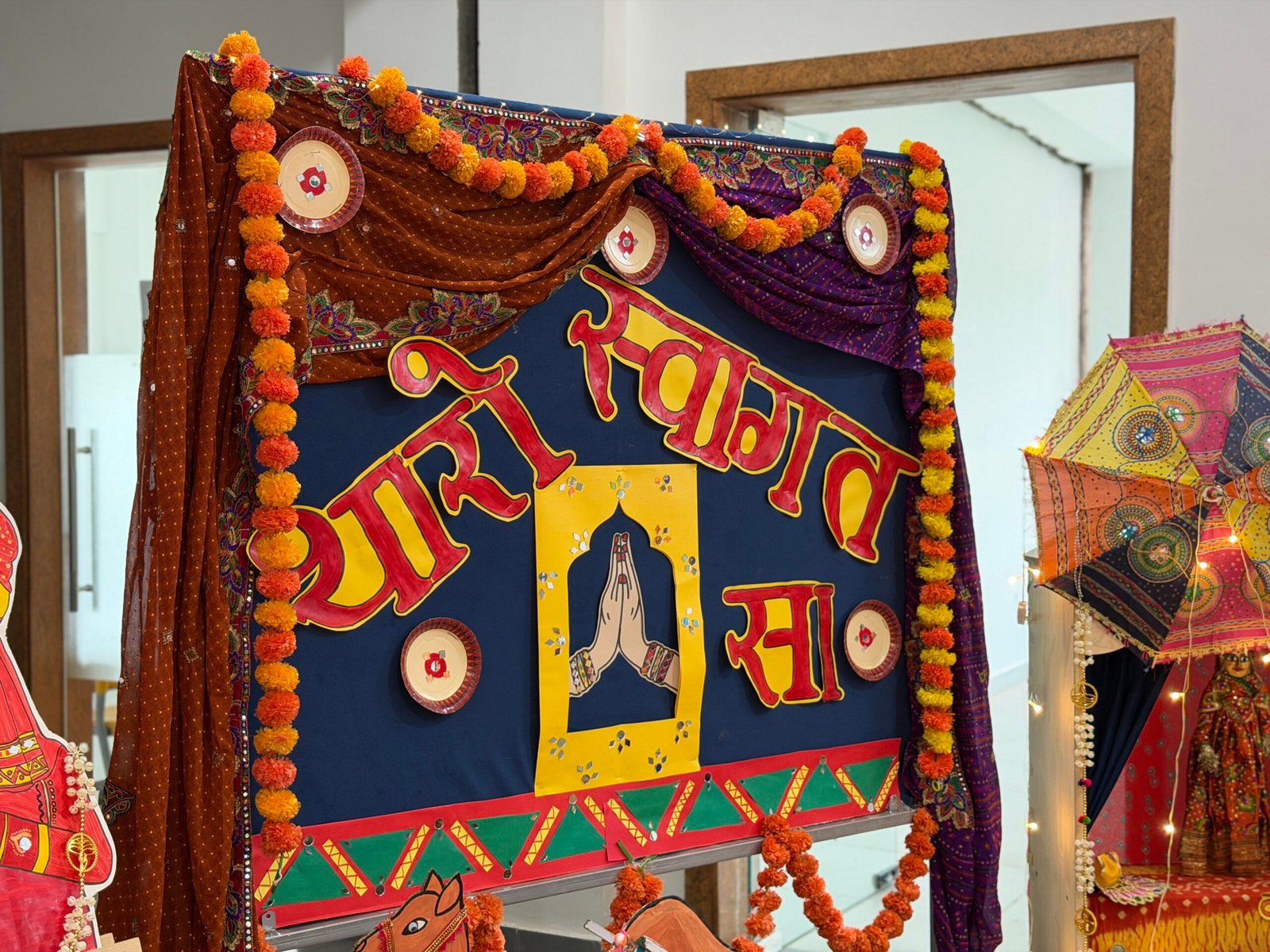
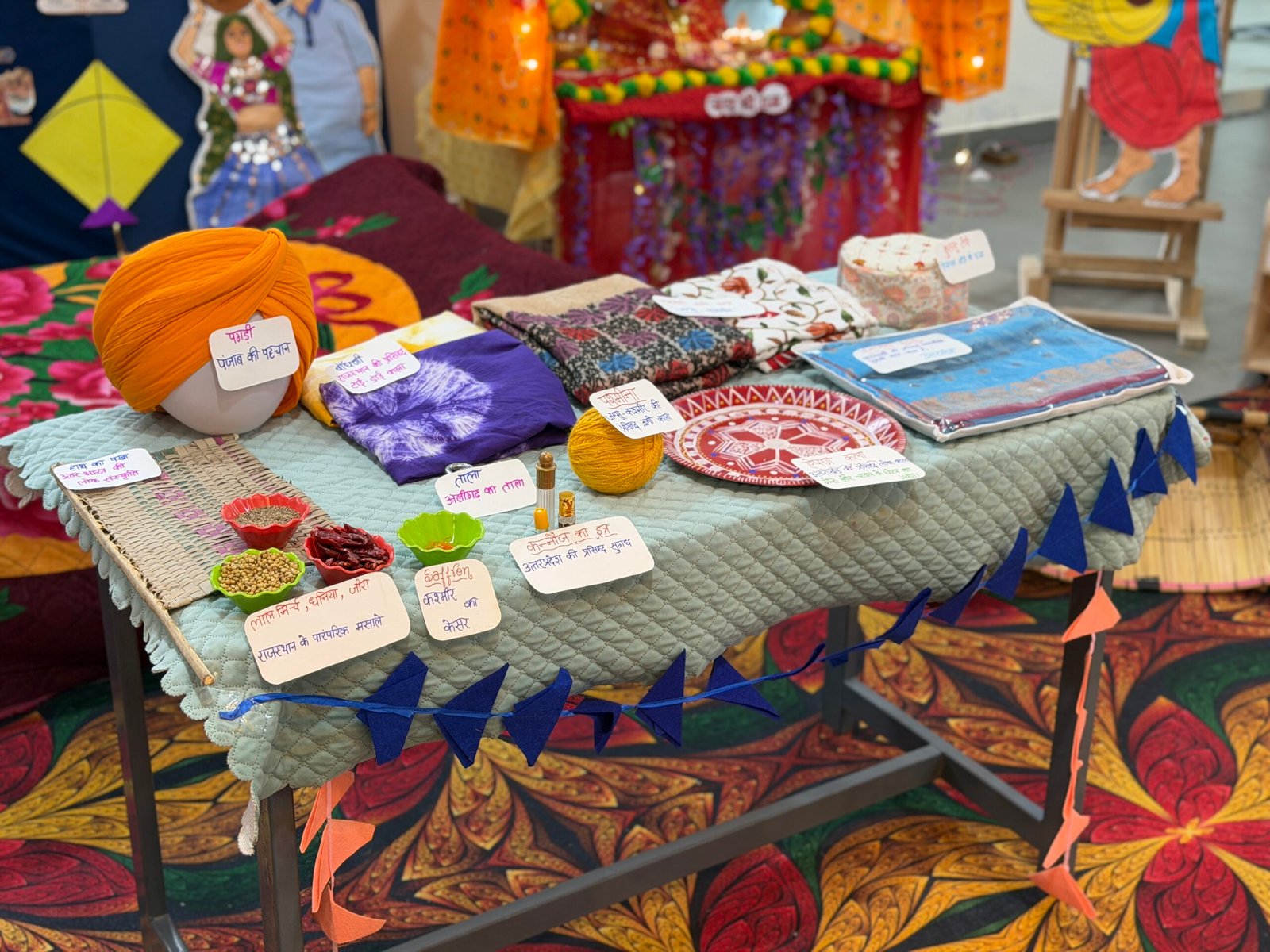
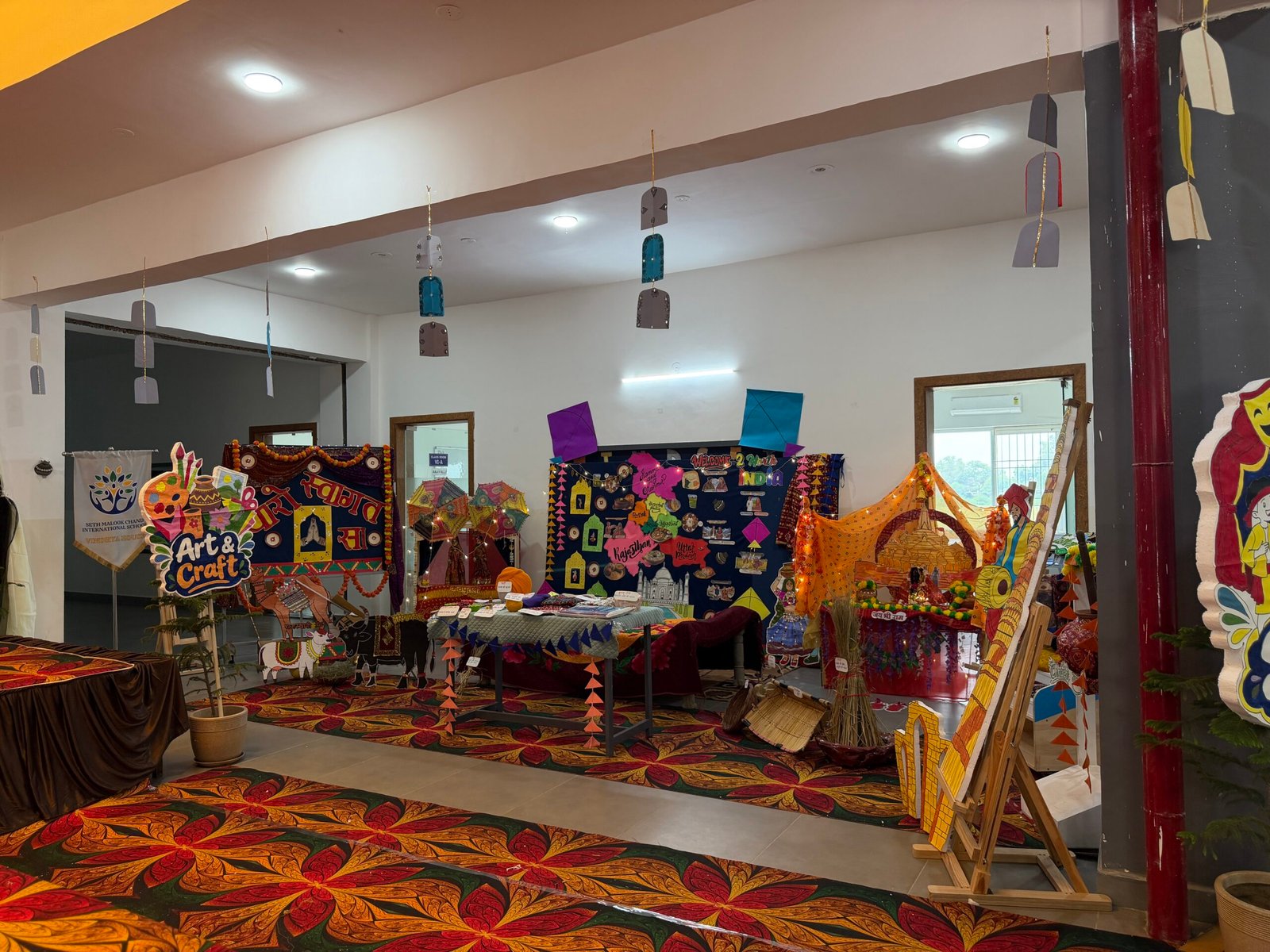
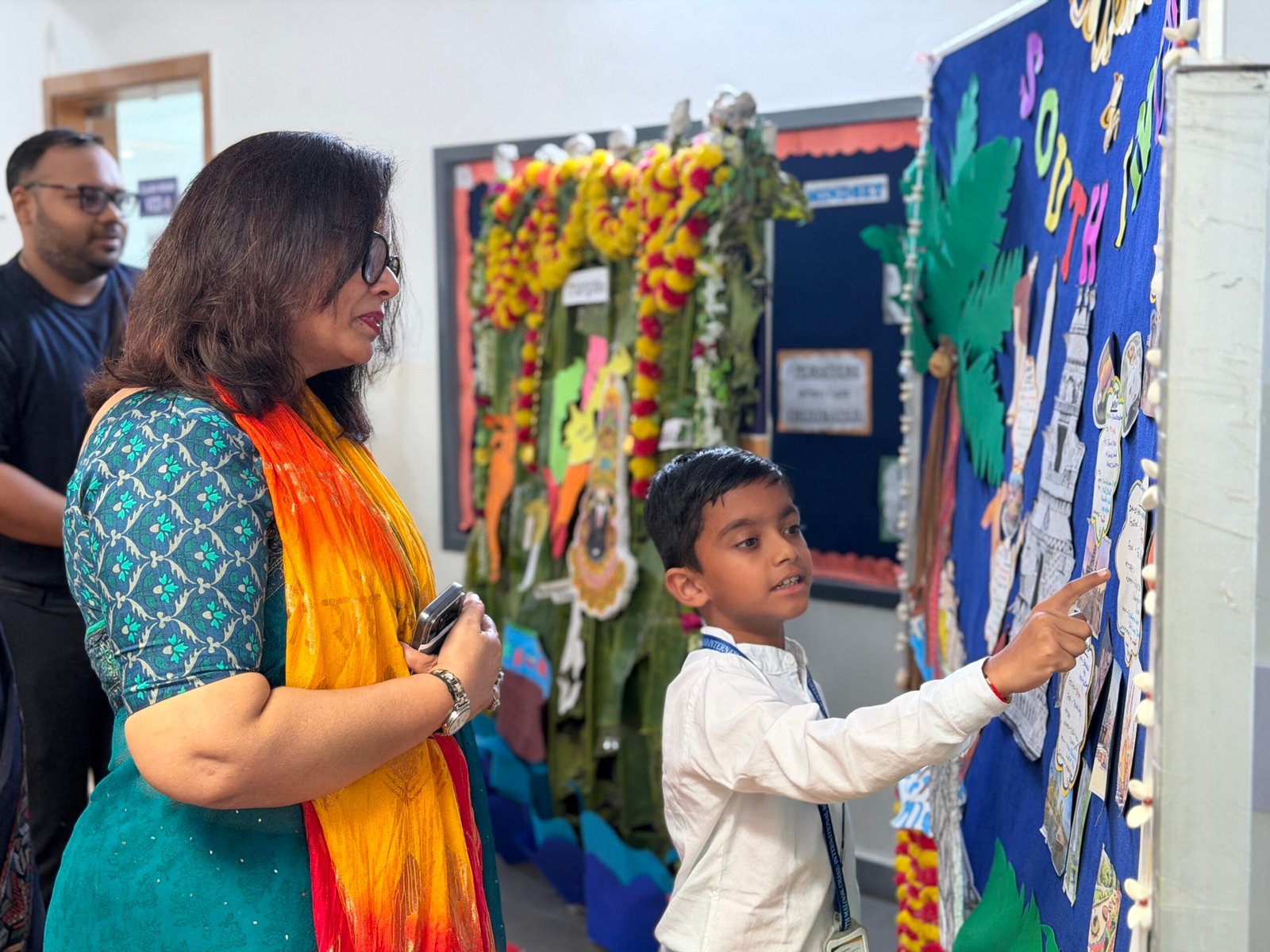
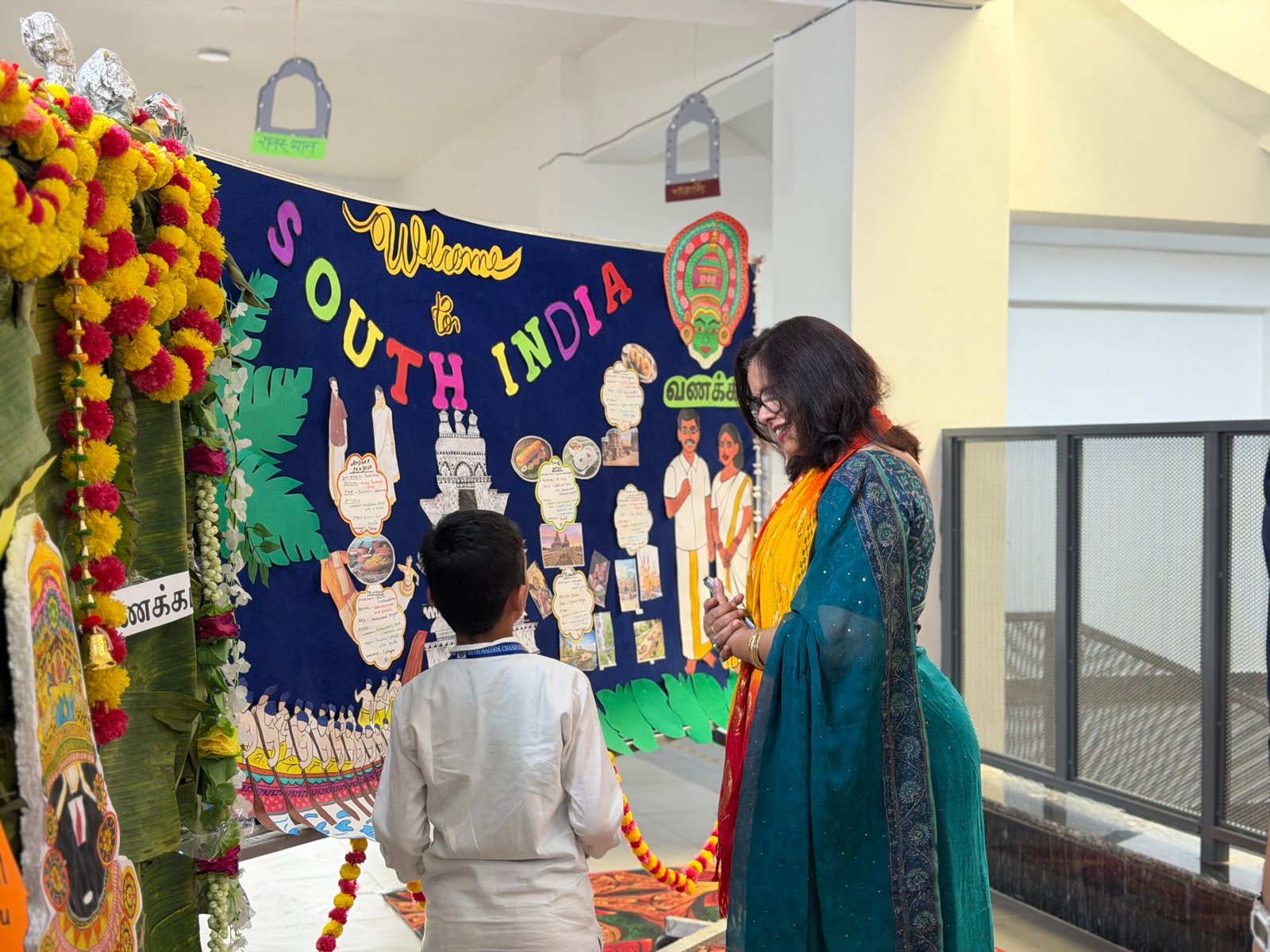
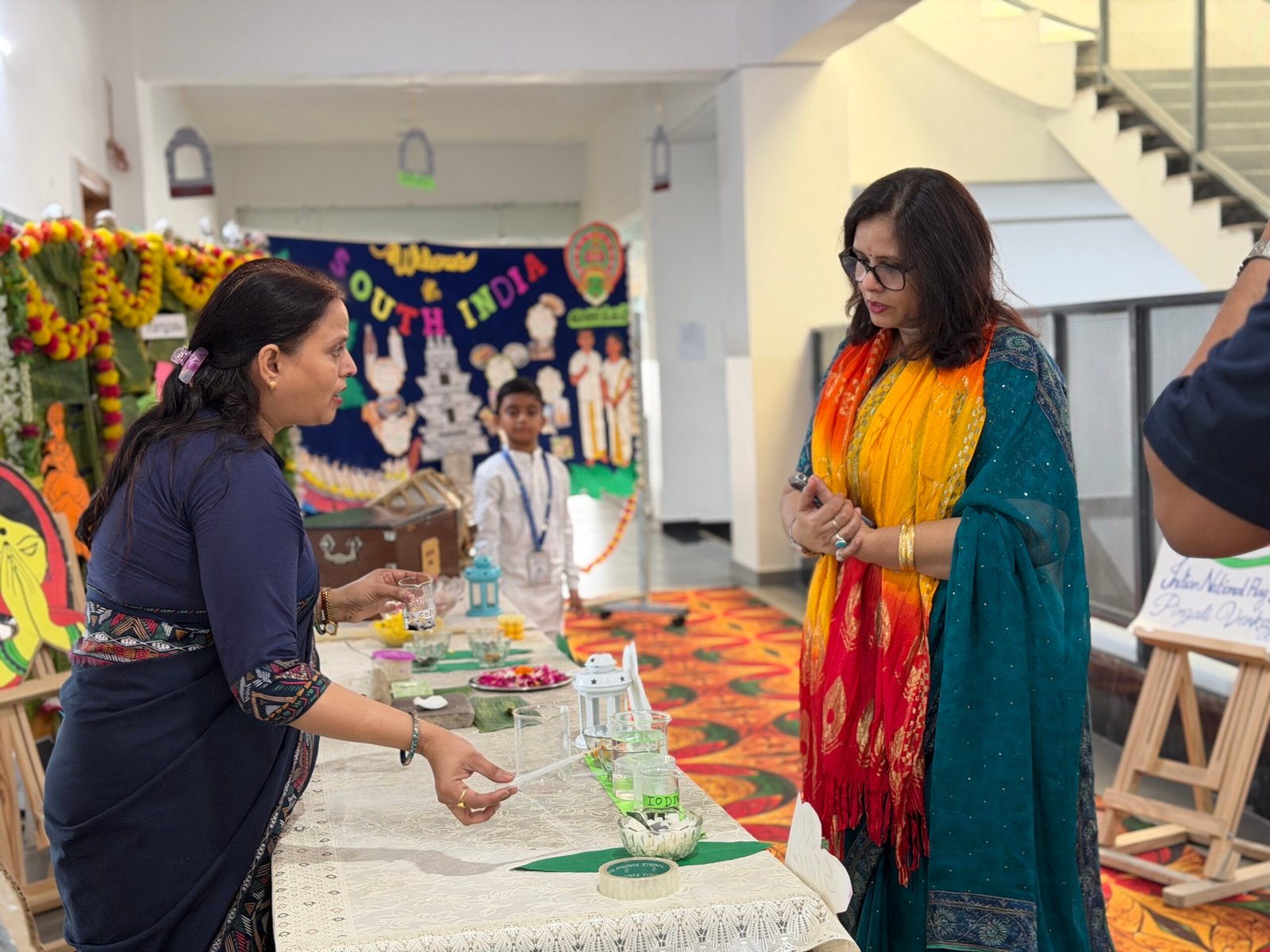
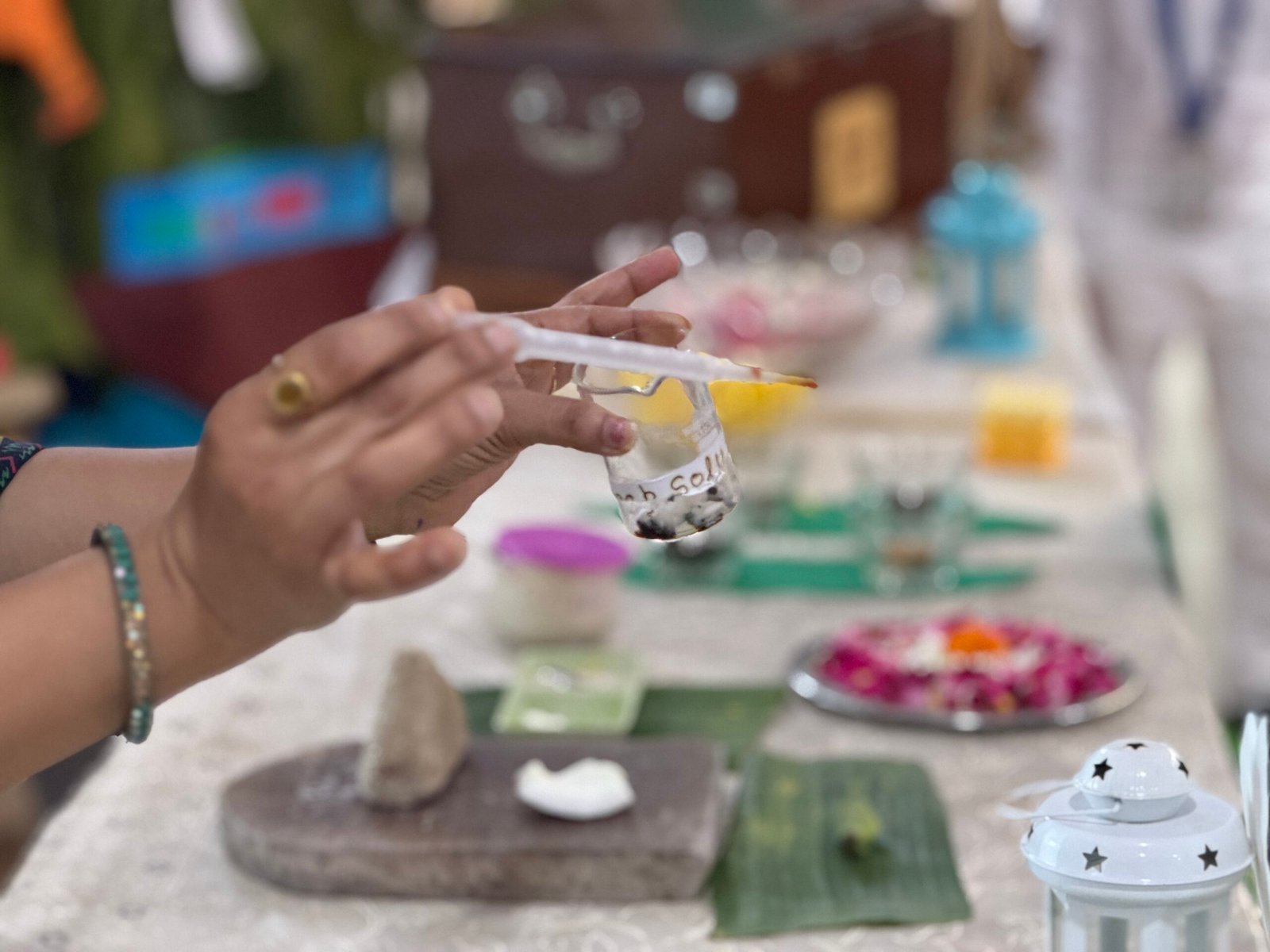
The campus was divided into four cultural zones: North, South, East and West. Each zone was set up as a small journey of its own, with traditional attire, food displays, art and craft, music and dance, models of famous cultural landmarks and hands-on activities for visitors.
The North Zone brought together Himalayan and plains traditions, with folk music, festivals, embroidery, regional foods and historic places. Walking into the South Zone felt different straight away, with its classical dance and music, temple architecture, handloom textiles, literature and distinctive cuisines. The East Zone leaned into craft, literature, music, dance and the festivals and flavours that the region is loved for. The West Zone was probably the most colourful corner of the campus, full of mirror work, bright textiles, folk dances, desert and coastal traditions and historic architecture.
What we liked most was watching students move from one zone to another. In a few steps they went from the handlooms and temple architecture of the South to the mirror work and folk dances of the West. Nobody had to lecture them on how varied India is. They walked through it.
Competitions that asked students to make something
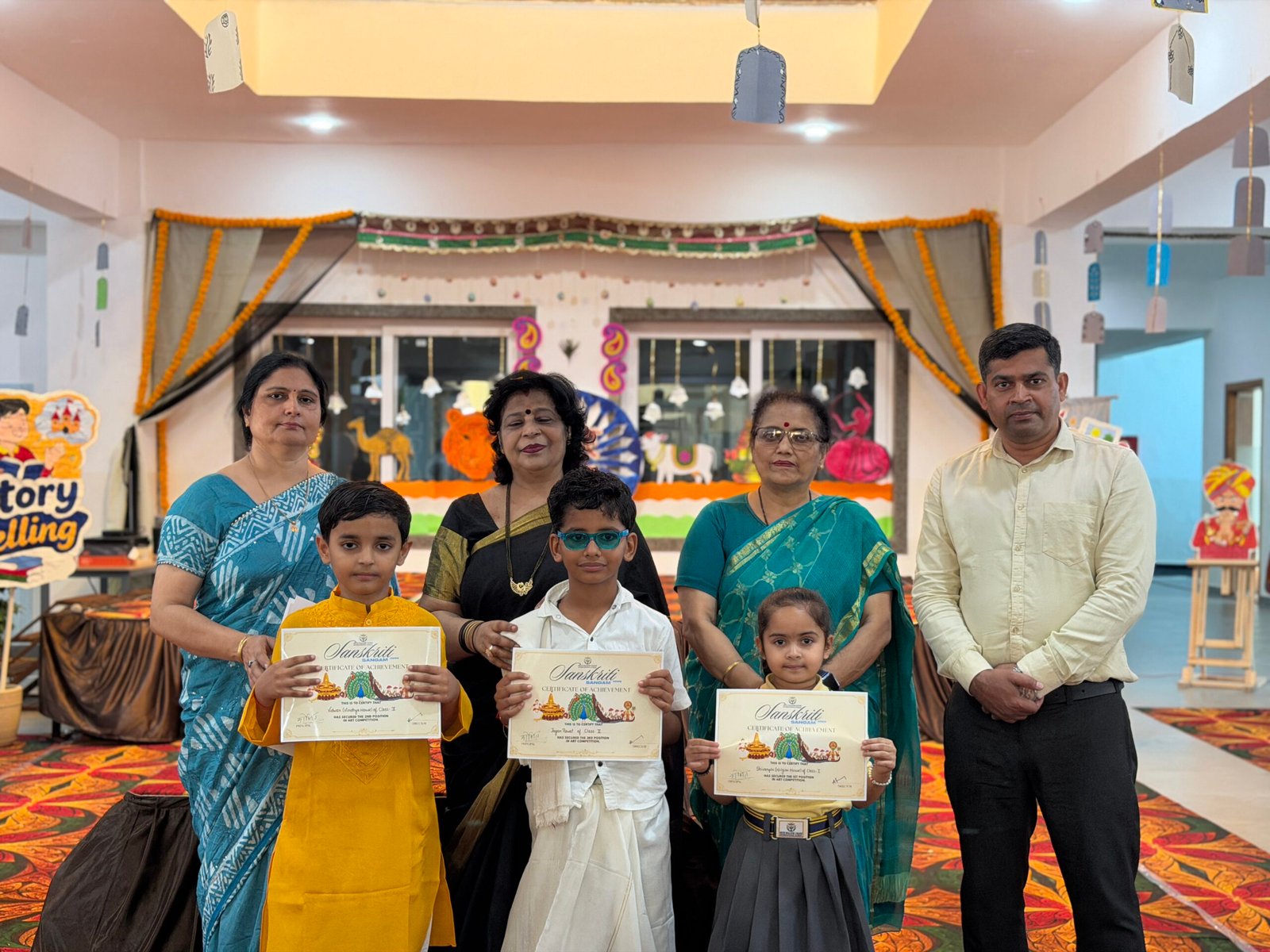
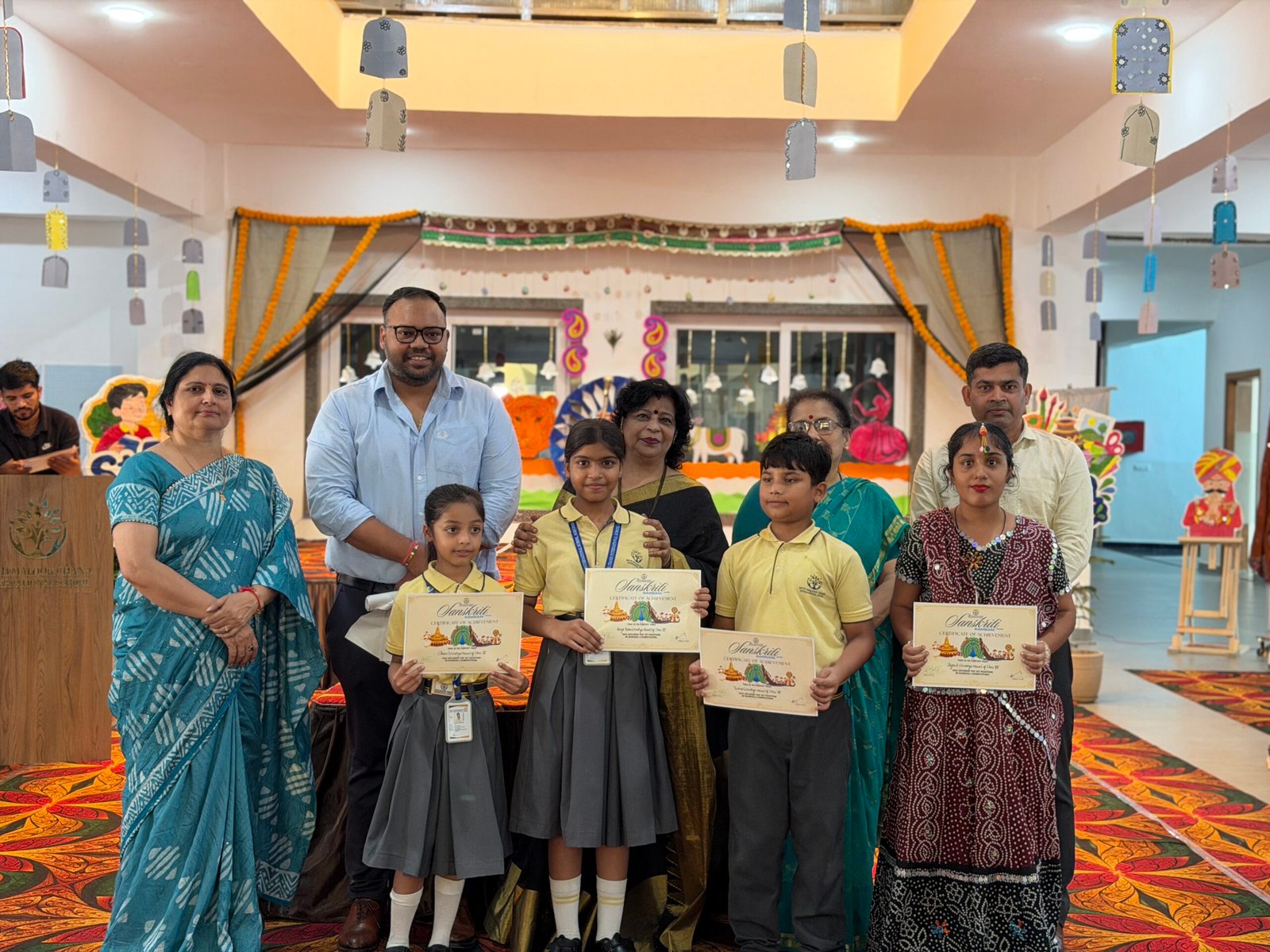
Sanskriti Sangam was not only about looking at displays. The week ran a full set of competitions, each one asking students to create rather than recite. There was Rangoli Making, Art and Craft, Music, Storytelling, Food Culture, Cultural Attire, Dance and Skit.
Each competition tested a different kind of student. The quiet artist who rarely speaks in class had a place in rangoli and craft. The child who loves an audience found a home in skit and dance. Storytelling rewarded the readers, and Food Culture gave a chance to the students who know their way around a kitchen and the stories behind regional dishes.
That spread matters to us. Unity in diversity activities for students should not only celebrate the diversity of India. They should make room for the diversity of children in the same classroom too. Confidence, teamwork and a working knowledge of other cultures came out of these competitions far more naturally than they would from a worksheet.
The Main Stage and the Courage It Takes
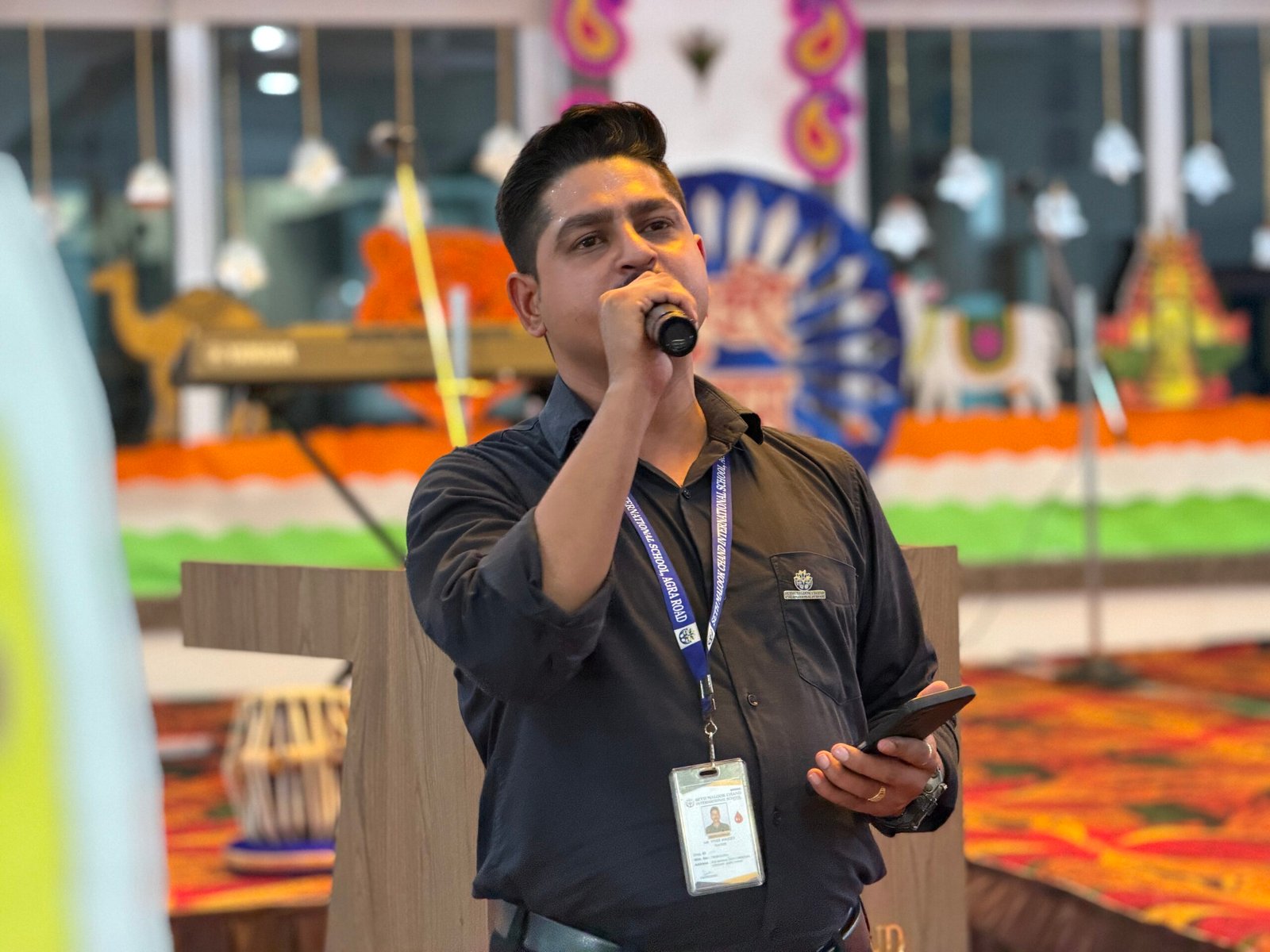
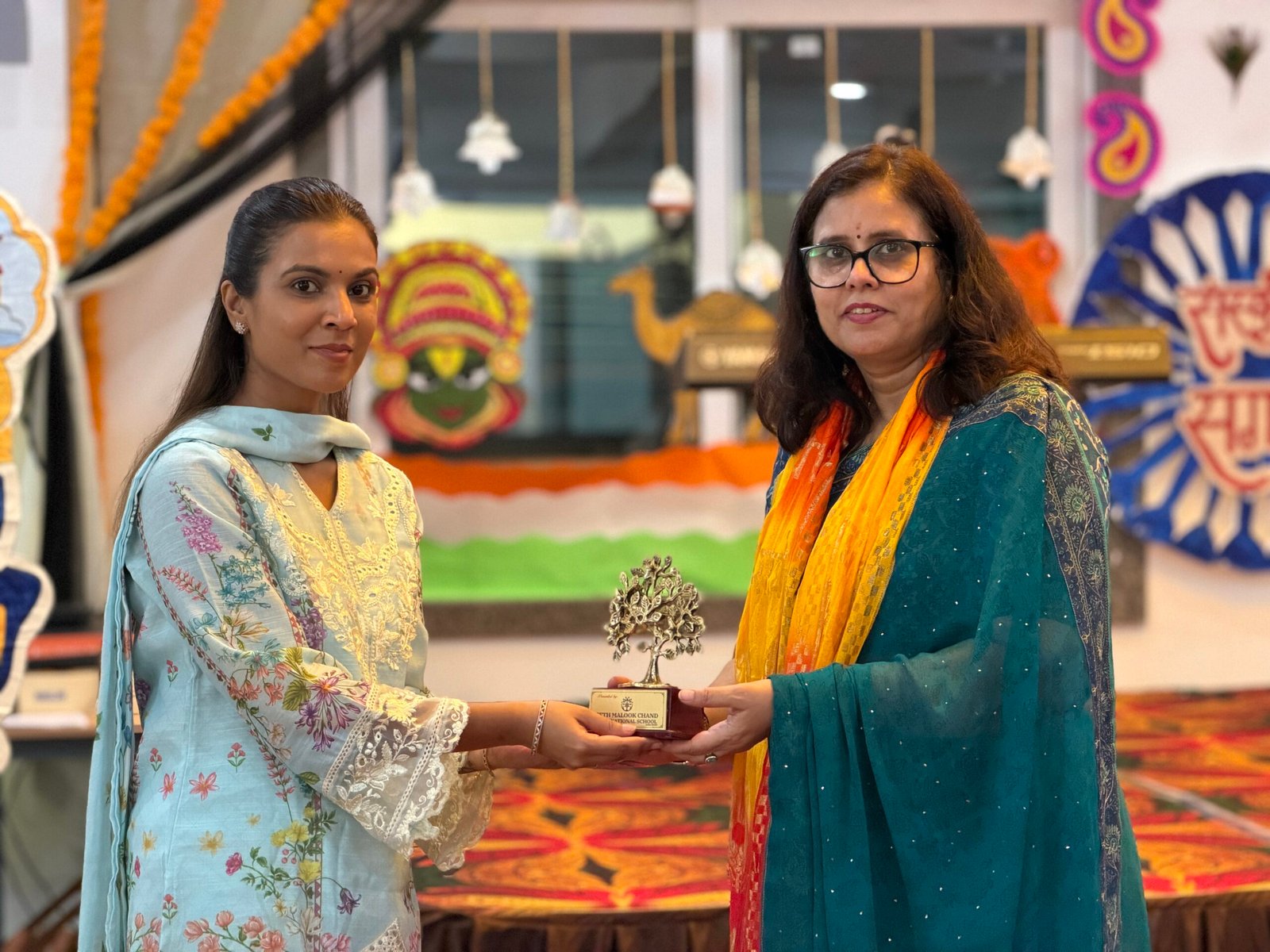
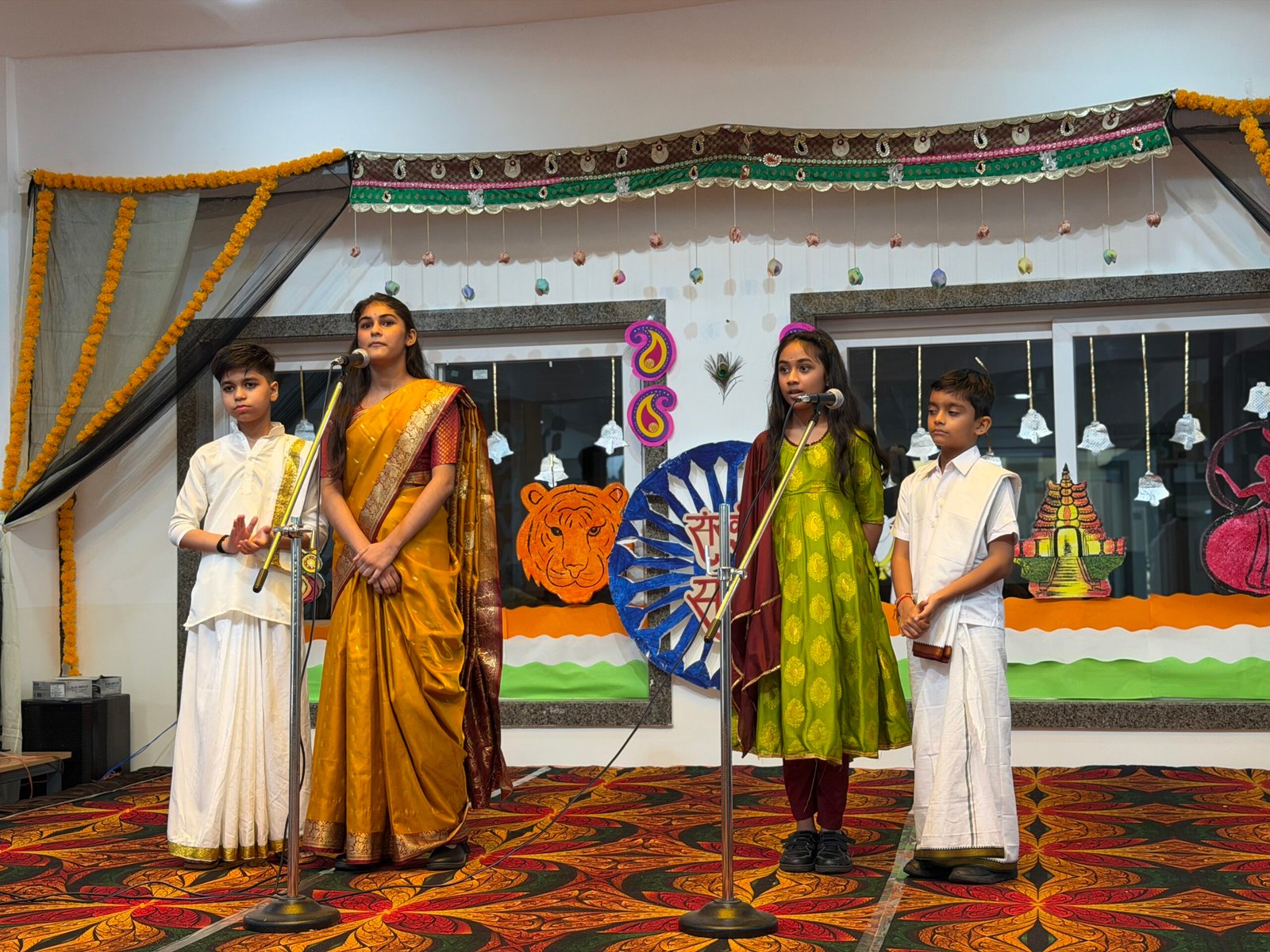
Every festival needs a heart, and ours was the main stage. Through the week, students performed music, storytelling, traditional attire presentations, dance and theatre in front of classmates, teachers and families.
Anyone who has watched a nine-year-old walk out under stage lights knows the effort hidden in those few minutes. Every presentation carried the creativity and enthusiasm of the students and the quiet hours of preparation their teachers put in alongside them.
Learning that does not fit in a textbook
A textbook can tell a student which dance belongs to which state. It cannot give them the experience of explaining a tradition to a curious visitor or of standing in a zone they helped build. Sanskriti Sangam was a reminder that some of the best learning happens when children participate, collaborate and celebrate together.
This is a big part of how we think about education at SMCIS. As a CBSE school in Aligarh, we take our academics seriously. We also believe a well-rounded child needs experiences that build character, empathy and pride in where they come from.
Unity in Diversity, felt rather than memorised
Most students can repeat the phrase ‘unity in diversity’ long before they understand it. By the end of the week, we think many of us understood it a little better. Languages, food and lifestyles change from region to region, sometimes from district to district. Under all of that is a shared sense of belonging, the feeling that a dance from Gujarat and a song from Bengal are both, in some way, ours.
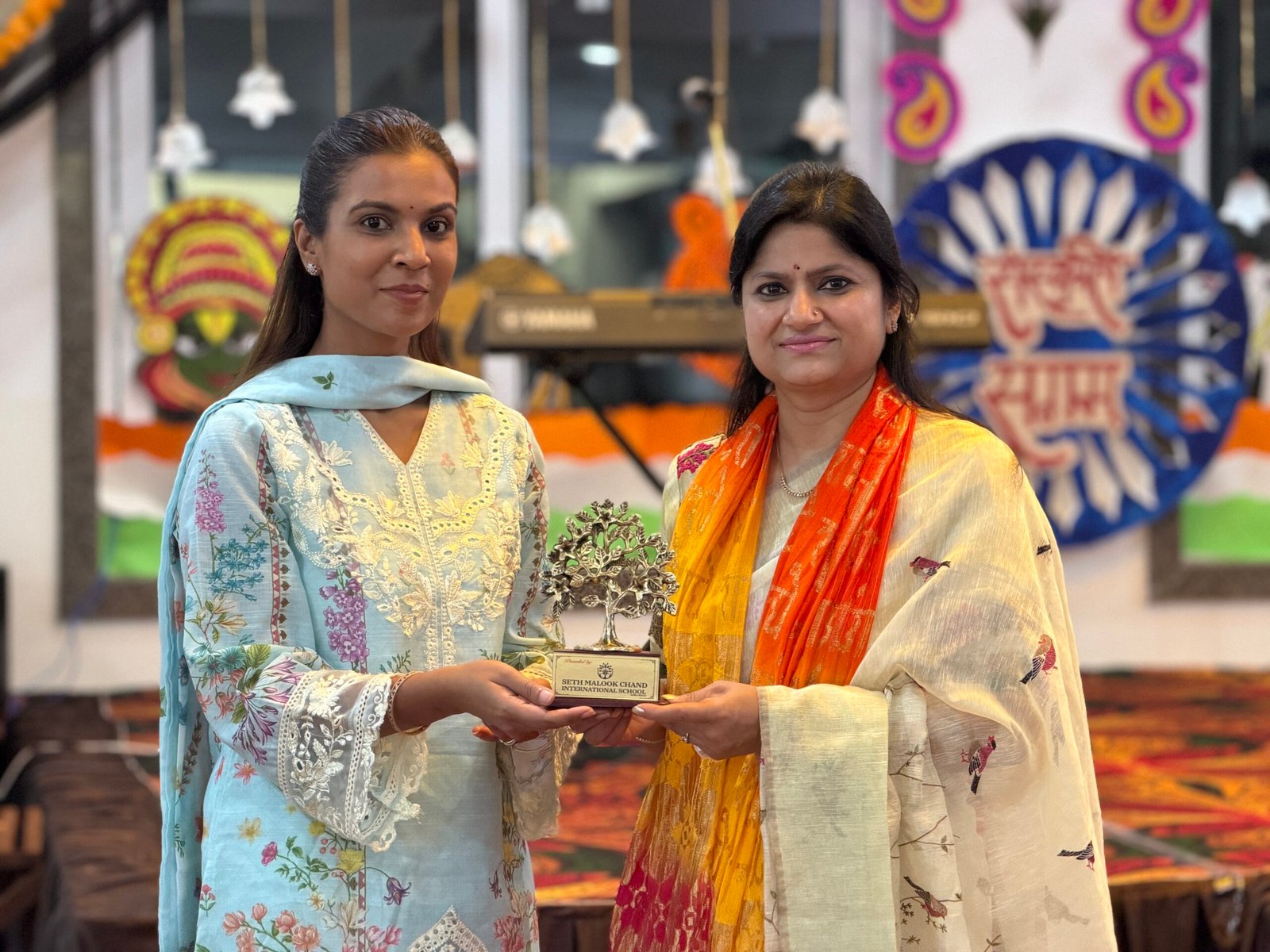
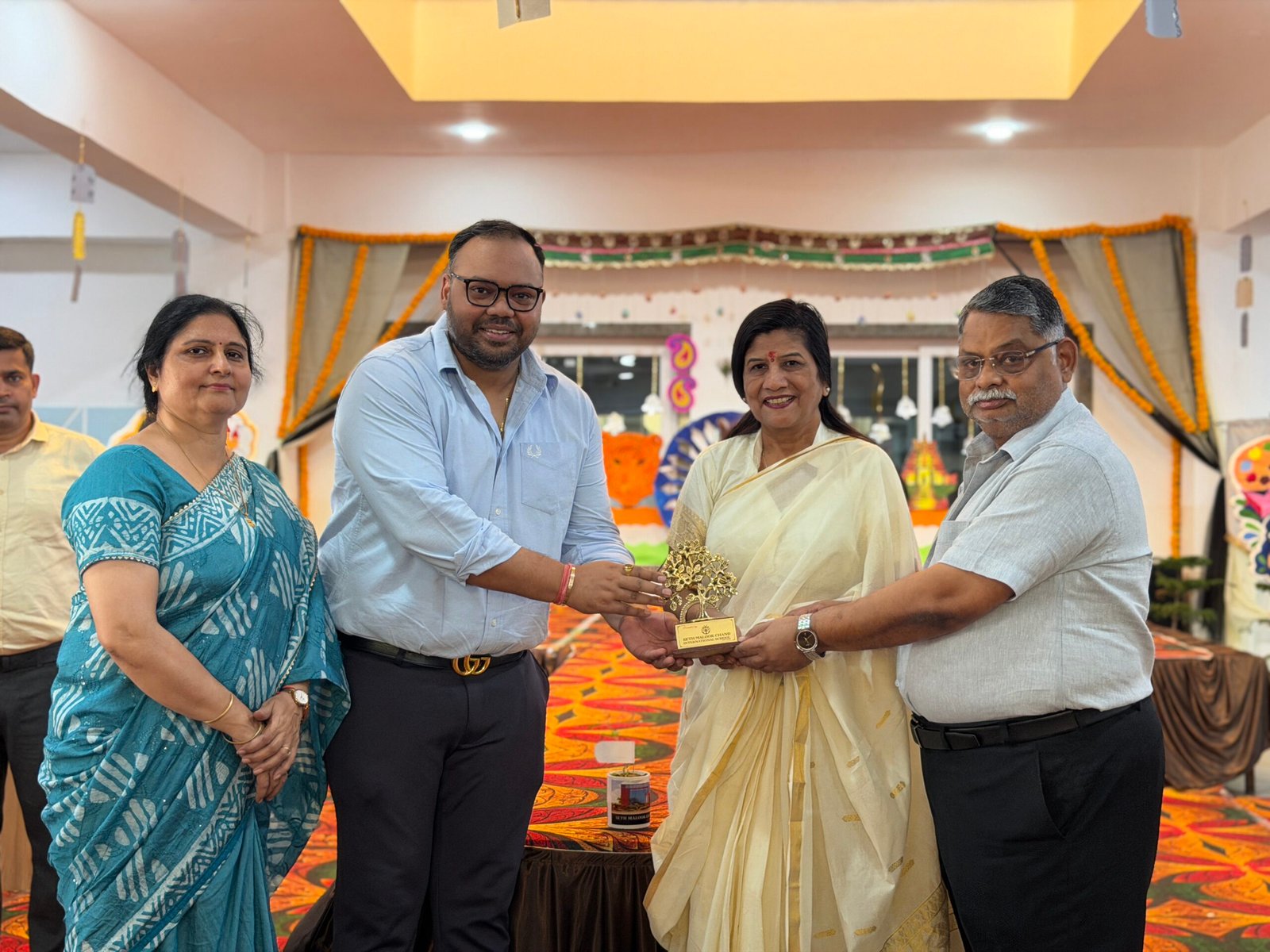
That was the real purpose of Sanskriti Sangam and the reason we will keep building on it in the years ahead. A heartfelt thank you to every student, teacher and parent who made the week what it was.