
Physical safety as the visible foundation
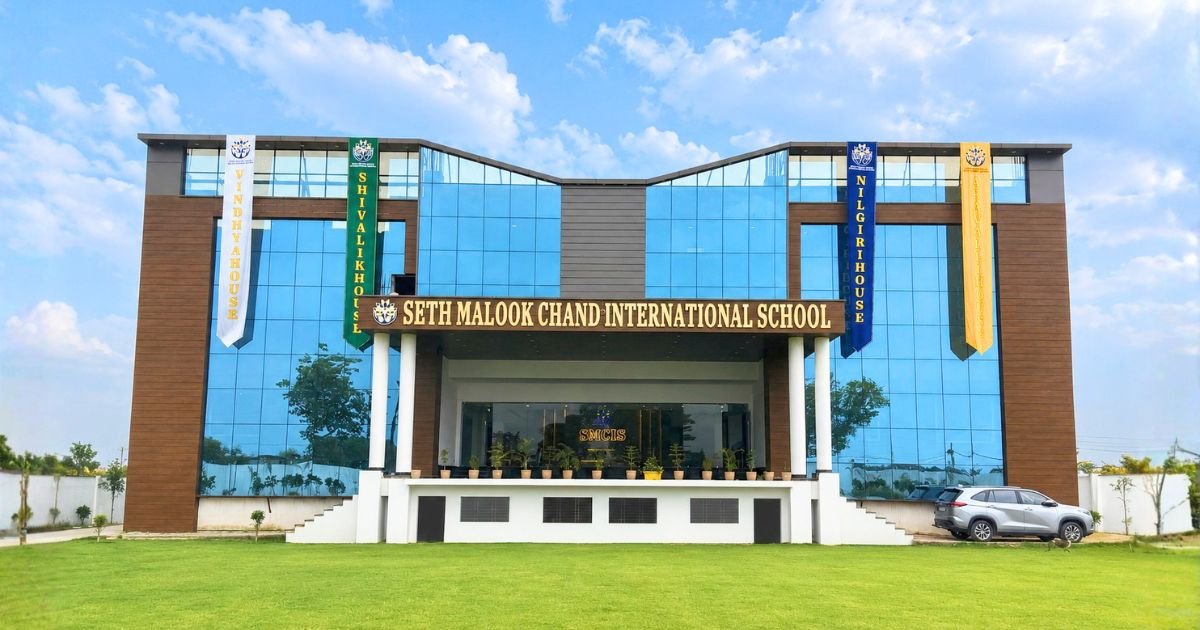
The campus security measures, GPS-tracked and CCTV-equipped transport, and hygiene standards discussed throughout the SMCIS school’s infrastructure form the visible, structural foundation of student safety, the baseline that has to be solid before anything else can meaningfully build on top of it.
Emotional safety as the less visible layer
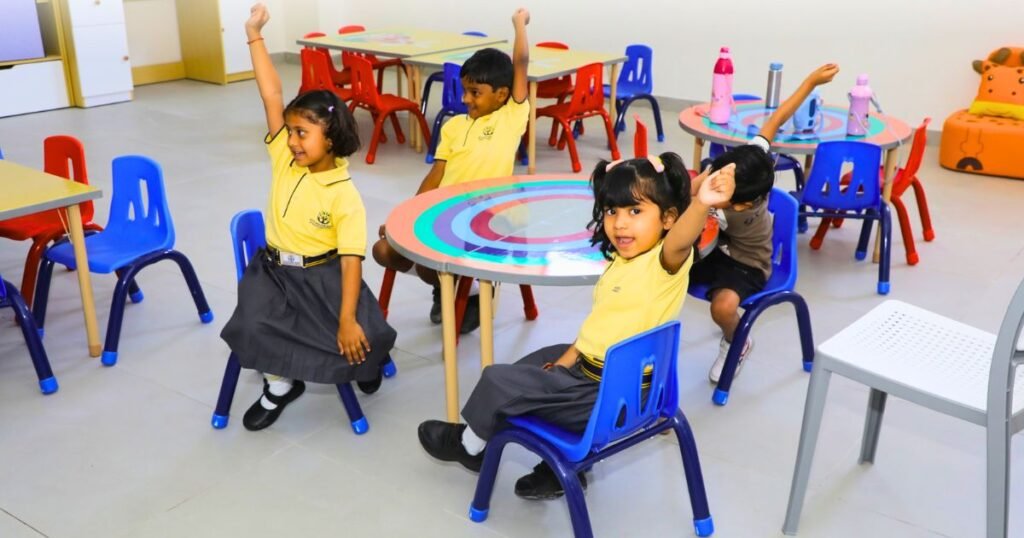
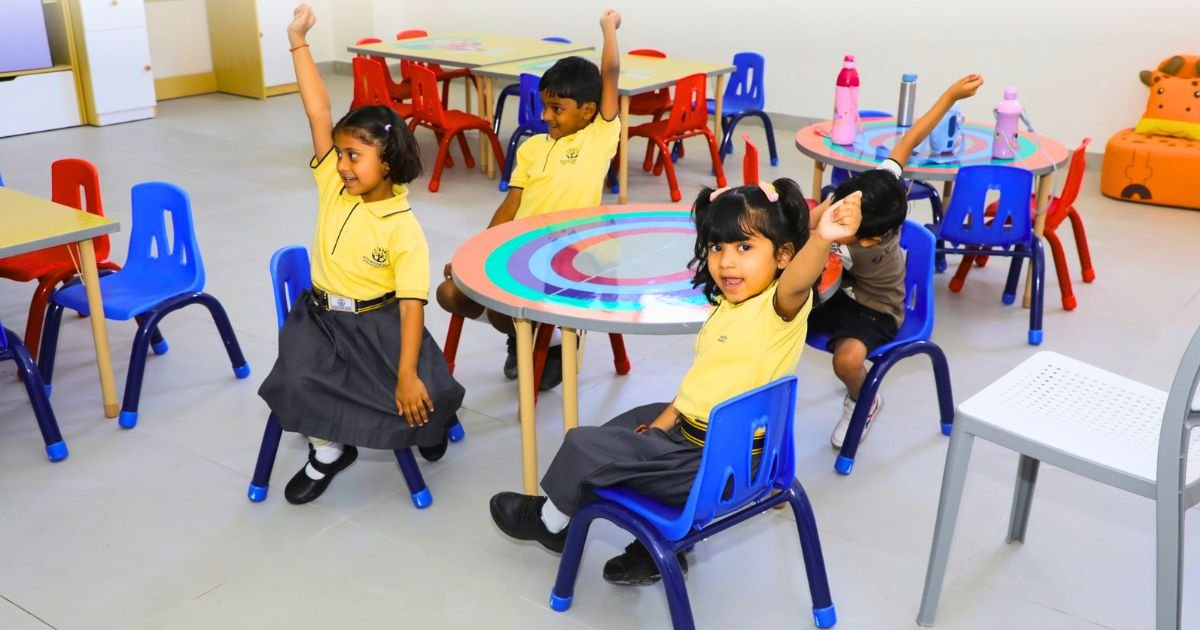
Beyond physical protection, a genuinely safe school environment means a student feels able to make a mistake without excessive fear, ask a question without embarrassment, and raise a concern without worrying about how it will be received. SMCIS builds this kind of emotional safety through the pastoral care structure discussed separately, staff specifically trained to notice and respond to a student’s emotional state, not just their physical circumstances.
Anti-bullying practices as a specific commitment
Part of emotional safety involves actively addressing peer conflict and bullying behavior directly rather than treating it as an inevitable, unavoidable part of school life. SMCIS staff are trained to recognize early signs of social exclusion or peer mistreatment and intervene before a situation escalates, connecting directly to the value education program’s emphasis on integrity and respect for others.
Age-appropriate emotional support
Just as pastoral care is calibrated by age, discussed elsewhere, emotional support specifically adjusts across the SMCIS school’s wings, close, hands-on comfort-building for younger students still developing basic emotional vocabulary, and more autonomy-respecting but still genuinely attentive support for older students navigating more complex social and academic pressure.
Why both layers of safety need to work together
A campus with excellent physical security but poor emotional support still leaves students vulnerable in a real sense, anxious, isolated, or reluctant to raise concerns even when physically protected. Conversely, strong emotional support without solid physical safety measures leaves obvious gaps too. SMCIS treats both as equally necessary components of a genuinely safe environment, not substitutes for one another.
What parents can reasonably ask about
Beyond questions about physical security, it is worth asking a school specifically how it identifies and addresses bullying, how accessible staff are for a SMCIS student with an emotional concern, and what training staff receive around recognizing signs of distress in students, questions that reveal the less visible but equally important side of student safety.