
What pastoral care actually covers
Pastoral care at SMCIS means staff specifically watching for signs a student is struggling socially, showing unusual stress, or navigating a difficult situation, whether that difficulty originates at school, like friendship conflict, or at home, in ways that spill over into how a student engages during the day. This is distinct from academic support, though the two frequently connect, since a student dealing with real emotional difficulty rarely performs at their academic potential regardless of teaching quality.
Age-appropriate support across different wings
Pastoral needs look different for a six-year-old adjusting to formal schooling than for a fifteen-year-old navigating identity and peer pressure, discussed in the school’s approach to junior wing development. SMCIS calibrates pastoral care by age, closer, more hands-on supervision and comfort-building support in younger years, more privacy-respecting but still attentive support as students move into the greater independence of senior secondary.
Connecting pastoral care to parents
Genuine pastoral support depends on communication with parents, not just internal staff awareness, connecting directly to the parent-teacher partnership model covered separately. A concern noticed at SMCIS school often benefits from context only a parent can provide, and a concern noticed at home benefits from the school’s own observations during the day, making two-way communication essential rather than optional.
Building emotional vocabulary from an early age
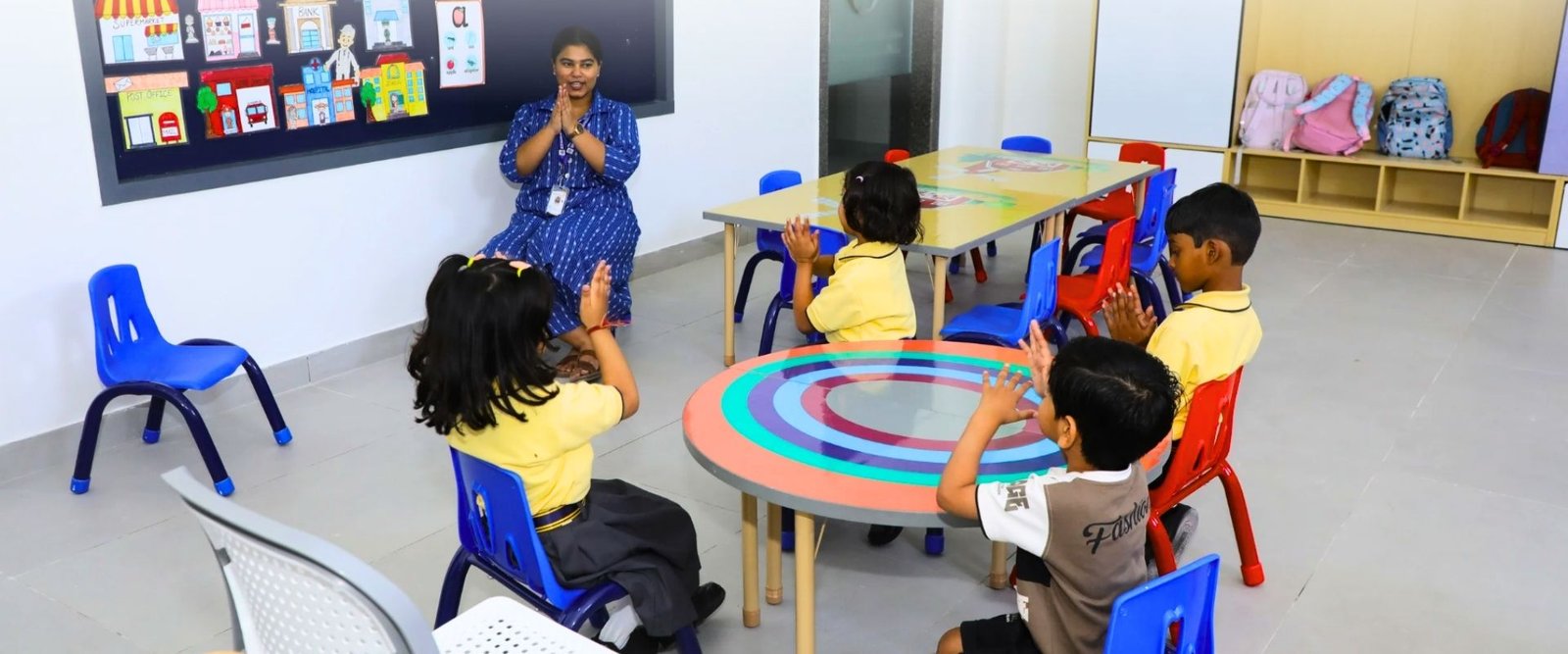
Pastoral care at SMCIS starts as early as pre-primary, where guided discussions about feelings and structured conflict resolution build emotional vocabulary and self-awareness well before a child faces more complex social situations later in school. That early foundation makes later pastoral support more effective, since a student who has practiced naming and discussing emotions from a young age engages more readily with support when they genuinely need it.
Why this matters beyond crisis moments
Pastoral care is not only relevant during visible difficulty. SMCIS regular, low-key check-ins and a genuinely approachable staff culture mean smaller concerns get noticed and addressed before they grow into something more serious, which is the actual goal of a well-run pastoral system, prevention through consistent attention rather than only crisis response after a problem has already become significant.
What to ask any school about this
Ask specifically who a student can go to with a concern, and how quickly and consistently at SMCIS school actually responds when a concern is raised, rather than accepting a general assurance that pastoral care exists as a program on paper.